
Low-Code & No-Code App Development in Canada: Is It Right for Your Business? (2025 Guide)

Digital transformation is accelerating across Canada. Startups, SMEs, and enterprises are all looking for faster, more cost-effective ways to build applications. That’s where low-code and no-code app development comes in.

But is it the right choice for your business?

In this guide, we’ll break down everything you need to know about low-code app development in Canada, including cost, platforms, benefits, limitations, and when to choose it over traditional development.


What Is Low-Code and No-Code Development?

🔹 Low-Code Development

Low-code platforms allow developers to build applications using visual interfaces, drag-and-drop components, and minimal hand-coding. Developers can still write custom code when needed.

🔹 No-Code Development

No-code platforms are designed for non-technical users. Business owners or teams can build apps using visual builders without writing any code.

In simple terms:

  • Low-code = Developers build faster
  • No-code = Non-developers build apps

Why Low-Code & No-Code Are Growing in Canada

Canadian businesses are adopting rapid app development approaches for several reasons:

1. Faster Time-to-Market

Traditional app development may take 4–9 months. Low-code tools can reduce that timeline by 40–60%.

2. Cost Efficiency

Hiring full-scale development teams in cities like Toronto or Vancouver can be expensive. Low-code platforms reduce development hours significantly.

3. Digital Transformation Demand

Industries such as healthcare, fintech, retail, and logistics are rapidly digitizing operations.

4. Shortage of Skilled Developers

Canada faces ongoing demand for experienced software engineers. Low-code tools help bridge the talent gap.


Popular Low-Code & No-Code Platforms in Canada

Here are some widely used platforms:

  • OutSystems – Enterprise-grade low-code platform
  • Mendix – Strong for large-scale applications
  • Bubble – Popular for startup MVPs
  • Microsoft Power Apps – Integrated with Microsoft ecosystem
  • Zoho Creator – Affordable business app builder

Each platform varies in flexibility, pricing, scalability, and customization options.


Cost of Low-Code App Development in Canada (2025)

The cost depends on complexity, integrations, and licensing fees.

Project TypeEstimated Cost (CAD)
Simple Internal Tool$10,000 – $25,000
Customer-Facing App$25,000 – $60,000
Enterprise Low-Code App$60,000 – $120,000

Additional Costs:

  • Platform subscription/license fees
  • Third-party API integrations
  • Cloud hosting
  • Ongoing maintenance

Compared to traditional development (which may start at $60,000+), low-code can significantly reduce initial investment.


Key Benefits of Low-Code & No-Code Development

✅ Rapid Development

Build MVPs in weeks instead of months.

✅ Lower Development Costs

Reduced coding hours = lower overall budget.

✅ Easier Maintenance

Visual workflows simplify updates and improvements.

✅ Business Team Involvement

Non-technical stakeholders can contribute directly.

✅ Scalability (With the Right Platform)

Modern low-code tools support cloud-native scaling.


Limitations You Should Consider

Low-code is powerful—but not perfect.

⚠ Limited Customization

Highly complex applications may require custom coding.

⚠ Vendor Lock-In

Switching platforms later can be difficult.

⚠ Performance Constraints

Very high-traffic apps may need traditional architecture.

⚠ Security & Compliance

Applications handling sensitive data must comply with Canadian privacy regulations.


When Should Canadian Businesses Choose Low-Code?

Low-code is ideal if you are:

  • Building an MVP to test a startup idea
  • Creating internal business tools
  • Automating workflows
  • Developing CRM or ERP extensions
  • Launching a prototype before full-scale development

However, if you’re building:

  • A fintech platform
  • A large-scale e-commerce marketplace
  • A super app ecosystem
  • High-performance gaming apps

Traditional development may be more suitable.


Low-Code vs Traditional Development

FactorLow-CodeTraditional Development
SpeedVery FastModerate
CostLowerHigher
CustomizationLimitedFull Control
ScalabilityModerate–HighVery High
Ideal ForMVPs & Business ToolsComplex & Enterprise Apps

Industries Adopting Low-Code in Canada

  • Healthcare workflow automation
  • Financial dashboards
  • Retail management systems
  • Logistics tracking apps
  • Education platforms

Small and medium-sized businesses particularly benefit from reduced development timelines and budgets.


Future of Low-Code Development in Canada (2025 & Beyond)

By 2025, analysts expect a large portion of new business applications to be built using low-code platforms. Canadian enterprises are integrating low-code into their digital transformation strategies to remain competitive and agile.

As AI-driven automation integrates into low-code tools, app development will become even faster and smarter.


Is Low-Code Right for Your Business?

Ask yourself:

  • Do you need to launch quickly?
  • Is your budget limited?
  • Are you building an MVP or internal tool?
  • Can your app function within platform limitations?

If most answers are “yes,” low-code may be the right solution.

If you need full customization, advanced security, and complex integrations, traditional development remains the better choice.


Final Thoughts

Low-code and no-code app development in Canada offer businesses a powerful way to innovate faster and more affordably. While not suitable for every project, they are transforming how Canadian startups and enterprises approach software development in 2025.

Choosing the right approach depends on your business goals, scalability needs, and long-term growth strategy.

Super App Development in Canada: Cost, Features & Business Model Explained (2025)

The Canadian digital market is evolving rapidly. Businesses are moving beyond single-purpose applications and investing in Super Apps — platforms that combine multiple services into one seamless ecosystem.

From payments and e-commerce to ride-hailing and food delivery, super apps are redefining how users interact with digital services. In this guide, we’ll explore super app development in Canada, including cost, features, technology stack, and business models for 2025.


What Is a Super App?

A Super App is an all-in-one mobile application that offers multiple services within a single platform. Instead of downloading separate apps for shopping, booking, payments, or messaging, users access everything in one unified ecosystem.

Globally, platforms like WeChat and Grab pioneered this model. In Canada, businesses are now exploring similar multi-service platforms tailored to local markets.


Why Super Apps Are Gaining Popularity in Canada

1. Changing Consumer Behavior

Canadian users prefer convenience. One app that handles multiple needs increases retention and engagement.

2. Strong FinTech & Digital Payment Growth

With the rise of contactless payments and digital wallets, integrating financial services within apps has become easier and more secure.

3. Scalable Cloud Infrastructure

Cloud platforms such as Amazon Web Services and Microsoft Azure enable scalable super app architecture for Canadian startups and enterprises.

4. Startup Ecosystem & Innovation

Cities like Toronto, Vancouver, and Montreal are becoming innovation hubs, making Canada ideal for launching integrated digital platforms.


Core Features of a Super App

A successful super app in Canada typically includes:

1. Modular Architecture

Each service (ride booking, payments, marketplace, etc.) works as a mini-app within the ecosystem.

2. Digital Wallet Integration

  • Secure payments
  • Peer-to-peer transfers
  • Subscription billing
  • Loyalty rewards

3. User Dashboard

  • Personalized recommendations
  • Transaction history
  • Notifications

4. Third-Party Integrations

  • CRM systems
  • Payment gateways
  • Logistics APIs
  • Social login

5. Advanced Security

  • End-to-end encryption
  • Biometric authentication
  • Compliance with Canadian privacy regulations

Super App Development Cost in Canada (2025)

The cost depends on features, complexity, integrations, and development approach.

Development StageEstimated Cost (CAD)
MVP Super App$60,000 – $120,000
Mid-Level Platform$120,000 – $250,000
Enterprise-Scale Super App$250,000 – $500,000+

Factors Affecting Cost:

  • Number of integrated services
  • Backend infrastructure complexity
  • AI-based personalization features
  • Security & compliance requirements
  • Ongoing maintenance & scaling

Technology Stack for Super App Development

Frontend

  • Flutter (Cross-platform)
  • React Native
  • Swift (iOS)
  • Kotlin (Android)

Backend

  • Node.js
  • Python (Django/FastAPI)
  • Java (Spring Boot)

Cloud & DevOps

  • AWS / Azure
  • Kubernetes
  • Docker

Database

  • PostgreSQL
  • MongoDB
  • Redis (caching)

A microservices architecture is highly recommended to ensure scalability and modular service deployment.


Business Models for Super Apps in Canada

1. Commission-Based Model

Earn commission from transactions (e-commerce, ride-hailing, bookings).

2. Subscription Model

Premium memberships with added benefits.

3. FinTech & Payment Fees

Transaction processing and wallet service charges.

4. In-App Advertising

Targeted ads and brand partnerships.

5. Data-Driven Monetization

AI-based recommendations and partner integrations.


Industries That Can Benefit from Super Apps

  • E-commerce & Retail
  • FinTech
  • Healthcare services
  • Transportation & Mobility
  • Food Delivery & Hospitality
  • Real Estate

Canadian startups are increasingly combining multiple industry services into one ecosystem to improve user lifetime value (LTV).


Key Challenges in Super App Development

  1. Complex architecture management
  2. High initial development cost
  3. Regulatory compliance (privacy & financial laws)
  4. Maintaining performance with growing user base
  5. Managing multiple vendor integrations

Strategic planning and phased development (starting with an MVP) can reduce risks significantly.


Super Apps vs Traditional Mobile Apps

FactorTraditional AppSuper App
ServicesSingle-purposeMulti-service ecosystem
User RetentionModerateHigh
Development CostLowerHigher
Revenue PotentialLimitedHigh & diversified
ScalabilityModerateAdvanced microservices-based

Future of Super Apps in Canada (2025 & Beyond)

With increasing smartphone penetration, digital banking adoption, and AI-powered personalization, super apps are expected to grow significantly in Canada.

Businesses that invest early in modular, scalable super app architecture will gain a competitive advantage in user acquisition and cross-service monetization.


Final Thoughts

Super app development in Canada is no longer just a trend — it’s a strategic digital transformation opportunity. While the upfront investment may be higher, the long-term revenue potential, user retention, and scalability make it a powerful model for startups and enterprises alike.

If your business aims to build an all-in-one multi-service app platform, starting with a clear roadmap, MVP strategy, and scalable architecture will set the foundation for long-term success in 2025 and beyond.

Taxi Booking App Development Canada: Cost, Features Tech Stack Explained (2025)

Introduction

The transportation industry in Canada is undergoing a massive digital transformation. With increasing demand for fast, reliable, and affordable mobility solutions, businesses are actively investing in taxi booking app development in Canada.

From startups building ride-sharing platforms to traditional taxi companies going digital, the need for Uber-like apps is growing rapidly in cities like Toronto, Vancouver, Calgary, and Montreal.

This guide explains everything you need to know — including features, cost, tech stack, business models, and development strategy for 2025.


What Is Taxi Booking App Development?

Taxi booking app development refers to building a digital platform that connects passengers with drivers in real time using GPS and mobile technology.

A modern ride sharing app in Canada typically includes:

  • Passenger mobile app
  • Driver mobile app
  • Admin dashboard
  • Payment & tracking system

These apps replicate platforms like Uber and Lyft but can be customized for local markets or niche transportation services.


Why Taxi Booking Apps Are in Demand in Canada

The demand for Uber-like app development in Canada is increasing due to several factors:

  • Rapid urbanization and population growth
  • High smartphone and internet penetration
  • Preference for cashless digital payments
  • Demand for safe and transparent transport
  • Growth of gig economy drivers

Cities like Toronto and Vancouver are especially strong markets for ride-hailing services.


Types of Taxi Booking Apps

Before development, it’s important to choose the right business model:

1. Ride-Hailing Aggregator Model

Connects passengers with independent drivers (like Uber).
Example: Uber


2. Fleet-Based Taxi App

A company owns vehicles and manages drivers internally.


3. Hybrid Model

Combines fleet-owned vehicles + independent drivers for scalability.


4. Corporate Taxi Solutions

Used by businesses for employee transportation and logistics.


Must-Have Features of a Taxi Booking App

A successful transportation app in Canada requires three core modules:


🚕 Passenger App Features

  • Easy registration/login
  • Live GPS tracking
  • Fare estimation
  • Ride booking & scheduling
  • Multiple payment options (card, wallet, cashless)
  • Driver details & ETA tracking
  • Trip history
  • Ratings & reviews
  • SOS emergency button

🚗 Driver App Features

  • Driver onboarding & verification
  • Ride requests in real time
  • Navigation integration
  • Earnings dashboard
  • Trip history
  • Availability toggle

🖥 Admin Panel Features

  • User & driver management
  • Commission settings
  • Ride monitoring dashboard
  • Analytics & reporting
  • Surge pricing control
  • Payment settlement system

Advanced Features (2025 Trends)

To compete in the modern ride-sharing market, apps now include:

  • AI-based route optimization
  • Dynamic pricing (surge pricing engine)
  • Ride pooling (carpool feature)
  • In-app chat between driver & passenger
  • Voice-based booking
  • Electric vehicle integration
  • Subscription ride plans
  • Real-time fraud detection

Taxi Booking App Development Cost in Canada (2025)

The transportation app cost in Canada depends on complexity and features.

💰 Estimated Cost Breakdown

App TypeCost (CAD)
Basic MVP App$30,000 – $50,000
Mid-Level Ride App$50,000 – $90,000
Advanced Uber-like Platform$90,000 – $150,000+

Key Cost Factors

  • Platform (iOS, Android, or both)
  • UI/UX complexity
  • Real-time GPS integration
  • Payment gateway integration
  • Backend infrastructure
  • Third-party APIs (Maps, SMS, etc.)
  • Maintenance & updates

Tech Stack for Taxi Booking App Development

A scalable ride-sharing platform requires a strong tech foundation.

📱 Mobile App Development

  • Flutter
  • React Native
  • Swift (iOS)
  • Kotlin (Android)

🖥 Backend Development

  • Node.js
  • Django
  • Laravel

🗺 Location & Maps

  • Google Maps API
  • Mapbox

💳 Payment Systems

  • Stripe
  • PayPal
  • Apple Pay / Google Pay

☁ Cloud Infrastructure

  • AWS
  • Google Cloud Platform
  • Microsoft Azure

Revenue Models for Ride Sharing Apps

A successful taxi app can generate income through:

💰 Commission per ride (15–30%)

💰 Surge pricing during peak hours

💰 Subscription plans for drivers

💰 Advertising inside the app

💰 Corporate partnerships


Development Timeline

PhaseDuration
Research & Planning2–3 Weeks
UI/UX Design3–4 Weeks
Development3–6 Months
Testing3–4 Weeks
Deployment1–2 Weeks

Total: 4–7 months


Challenges in Taxi Booking App Development

⚠ High competition from global players
⚠ Real-time tracking accuracy
⚠ Driver acquisition and retention
⚠ Regulatory compliance in Canadian provinces
⚠ Scalability during peak demand


Legal & Compliance Considerations in Canada

To operate legally, ensure:

  • Driver background checks
  • Commercial insurance coverage
  • Provincial transport regulations compliance
  • Data privacy compliance (PIPEDA)
  • Proper tax handling (GST/HST)

Future of Ride Sharing Apps in Canada (2025 & Beyond)

The industry is evolving with:

  • Autonomous (self-driving) taxis
  • Electric vehicle fleets
  • AI-driven dispatch systems
  • Smart city transportation integration
  • Sustainable mobility solutions

Early adoption of these technologies will define market leaders.


Conclusion

Taxi booking app development in Canada presents a massive opportunity in 2025. With rising demand for ride sharing apps in Canada, businesses can build scalable, profitable platforms by focusing on:

  • Strong UX design
  • Scalable backend systems
  • Smart monetization models
  • Compliance with Canadian regulations

Whether you’re building a startup like Uber or a niche local taxi platform, the right strategy and technology stack can help you succeed in the competitive transportation market.

Food Delivery App Development in Canada: Cost, Features & Business Model Guide (2025)

Introduction

The food delivery industry in Canada has transformed dramatically over the past few years. With customers expecting fast, convenient, and contactless ordering experiences, businesses are increasingly investing in food delivery app development in Canada.

Whether you are a restaurant owner, startup founder, or investor, building a food delivery app in 2025 can unlock new revenue streams and expand your customer base. In this complete guide, we’ll cover development costs, essential features, business models, and how to hire the right restaurant app developers in Canada.


Why Food Delivery Apps Are Booming in Canada

Several trends are driving demand for online food ordering apps:

  • Busy urban lifestyles
  • Increased smartphone penetration
  • Growth of digital payments
  • Expansion of cloud kitchens
  • Demand for real-time order tracking

Canadian consumers now prefer ordering food through mobile apps rather than calling restaurants directly.


Types of Food Delivery Apps

Before starting development, choose the right model:

1️⃣ Restaurant-Owned App (Single Vendor)

Best for:

  • Individual restaurants
  • Franchise chains
  • Cloud kitchens

Examples:
A branded app allowing customers to order directly.


2️⃣ Marketplace App (Multi-Vendor)

Best for:

  • Startups
  • Aggregator platforms

Features multiple restaurants in one app.


3️⃣ Hybrid Model

Combines marketplace features with in-house delivery logistics.


Must-Have Features in a Food Delivery App (2025)

To compete in the Canadian market, your app needs these features:


🔹 Customer Panel Features

  • Easy registration/login
  • Restaurant listings with filters
  • Menu browsing with images
  • Add to cart & checkout
  • Multiple payment options
  • Real-time order tracking
  • Ratings & reviews
  • Push notifications

🔹 Restaurant Panel Features

  • Menu management
  • Order management
  • Sales reports
  • Offer & discount management

🔹 Delivery Partner Panel

  • Order notifications
  • Route optimization
  • Earnings dashboard
  • Delivery status updates

🔹 Admin Panel

  • User management
  • Commission management
  • Analytics dashboard
  • Payment settlement system

Advanced Features for 2025

To stand out in competitive cities like Toronto, Vancouver, and Montreal:

  • AI-based food recommendations
  • Subscription meal plans
  • Scheduled deliveries
  • Contactless delivery options
  • Loyalty & reward programs
  • Cloud kitchen integrations
  • In-app chat support

Food Delivery App Development Cost in Canada (2025)

The delivery app cost in Canada depends on features, platforms, and complexity.

Estimated Cost (CAD)

App TypeEstimated Cost
Basic Single Restaurant App$30,000 – $50,000
Multi-Vendor Marketplace App$60,000 – $120,000
Advanced AI-Powered Platform$120,000 – $200,000+

Cost Factors

  • iOS + Android development
  • UI/UX design complexity
  • Payment gateway integration
  • Real-time tracking system
  • Cloud hosting infrastructure
  • Third-party integrations
  • Ongoing maintenance

Technology Stack Used by Restaurant App Developers in Canada

Professional restaurant app developers Canada typically use:

Frontend:

  • Swift (iOS)
  • Kotlin (Android)
  • Flutter / React Native (Cross-platform)

Backend:

  • Node.js
  • Laravel
  • Python

Database:

  • PostgreSQL
  • MongoDB

Cloud:

  • AWS
  • Google Cloud

Maps & Tracking:

  • Google Maps API

Popular Business Models for Food Delivery Apps

Choosing the right monetization model is crucial.

💰 Commission-Based Model

Take a percentage from each order (15%–30%).

💰 Subscription Model

Charge restaurants monthly listing fees.

💰 Delivery Fee Model

Charge customers a delivery fee.

💰 Advertising & Promotions

Restaurants pay for featured listings.

Most successful apps combine multiple revenue streams.


Development Timeline

PhaseEstimated Time
Planning & Research2–3 Weeks
UI/UX Design3–4 Weeks
Development8–14 Weeks
Testing & Launch2–4 Weeks

Total: 3–6 months depending on complexity


Challenges in Food Delivery App Development

⚠️ High competition
⚠️ Logistics management complexity
⚠️ Maintaining real-time tracking accuracy
⚠️ Managing peak-hour traffic
⚠️ Customer retention

Proper planning and scalable architecture help overcome these challenges.


How to Choose the Right Development Partner

When hiring a development company in Canada, look for:

✔ Experience in food delivery or marketplace apps
✔ Strong UI/UX portfolio
✔ Transparent pricing model
✔ Post-launch support
✔ Knowledge of local market regulations
✔ Scalability planning

Ask for case studies and live app references.


Future Trends in Canadian Food Delivery Market (2025 & Beyond)

The industry continues to evolve with:

  • AI-driven logistics optimization
  • Drone & robotic delivery pilots
  • Dark kitchens expansion
  • Sustainable packaging integrations
  • Voice ordering integration
  • Predictive demand analytics

Early adoption of these technologies can create strong competitive advantages.


Is Food Delivery App Development Worth It in Canada?

Yes — especially in major urban centers where demand remains strong.

Restaurants investing in their own online food ordering apps reduce reliance on third-party aggregators and increase profit margins.

Startups launching marketplace platforms can generate recurring revenue through commissions and subscriptions.


Conclusion

Food delivery app development in Canada remains a highly profitable opportunity in 2025. Whether you’re building a single restaurant app or a full marketplace platform, success depends on:

  • Clear business model
  • User-friendly design
  • Strong logistics integration
  • Scalable architecture
  • Strategic marketing

With the right restaurant app developers in Canada, your food delivery platform can become a powerful digital revenue channel in the competitive food & hospitality industry.

Wearable App Development Canada: Cost, Features & Hiring Guide (2026)

Wearable technology is no longer futuristic — it’s mainstream. From smartwatches and fitness trackers to healthcare monitoring devices, wearables are transforming how Canadians track health, manage productivity, and connect with digital ecosystems.

If you’re considering wearable app development in Canada, this complete 2025 guide covers costs, must-have features, development process, and how to hire the right smartwatch app developers in Canada.


What Is Wearable App Development?

Wearable app development refers to building applications specifically designed for devices such as:

  • Smartwatches
  • Fitness bands
  • Smart glasses
  • Healthcare monitoring wearables
  • Industrial IoT wearables

Unlike traditional mobile apps, wearable apps must work with smaller screens, limited battery power, and real-time sensor data.

Wearables often sync with smartphones and cloud platforms to deliver seamless user experiences.


Why Wearable App Development Is Growing in Canada

Several factors are driving demand for IoT wearables in Canada:

  • Rising health and fitness awareness
  • Growth of remote patient monitoring
  • Expansion of 5G and IoT ecosystems
  • Increased enterprise mobility adoption
  • Demand for real-time data insights

Canadian startups and enterprises alike are investing in fitness wearable apps and industrial wearable solutions to stay competitive.


Key Features of a Successful Wearable App (2025)

To build a high-performing wearable app, these features are essential:

1. Real-Time Health & Activity Tracking

  • Heart rate monitoring
  • Step counting
  • Sleep tracking
  • Oxygen level tracking
  • Workout analytics

Especially important for fitness wearable apps.


2. Seamless Smartphone Synchronization

Wearable apps must sync instantly with mobile apps for data storage, notifications, and updates.


3. Minimalist & Adaptive UI

Small screens require:

  • Clear typography
  • Simple navigation
  • One-touch interactions
  • Voice-enabled commands

4. IoT & Cloud Integration

Modern wearables connect with:

  • Smart home devices
  • Healthcare systems
  • Enterprise dashboards
  • Cloud databases

5. Strong Data Security

With sensitive health and user data involved, encryption and compliance are critical.


Wearable App Development Cost in Canada (2025)

The cost of wearable app development in Canada depends on complexity, device compatibility, and integrations.

Estimated Cost Breakdown (CAD)

App ComplexityEstimated Cost
Basic Wearable App$25,000 – $45,000
Fitness / Health App$45,000 – $80,000
Advanced IoT-Integrated Wearable$80,000 – $120,000+

Factors That Influence Cost

  • Platform (watchOS, Wear OS, Fitbit, etc.)
  • Number of supported devices
  • Backend infrastructure
  • AI or predictive analytics features
  • Cloud integration
  • Security & compliance requirements
  • Ongoing maintenance

Development Process for Wearable Apps

Here’s how smartwatch app developers in Canada typically approach projects:

Step 1: Discovery & Strategy

  • Market research
  • Define target users
  • Choose device platforms

Step 2: UX/UI Design

  • Wireframing
  • Micro-interactions design
  • Device-specific interface optimization

Step 3: Development

  • watchOS (Swift)
  • Wear OS (Kotlin)
  • Backend & APIs integration
  • IoT connectivity setup

Step 4: Testing

  • Real-device testing
  • Sensor accuracy validation
  • Battery performance optimization

Step 5: Launch & Deployment

  • App Store / Google Play deployment
  • Performance monitoring
  • Ongoing updates

How to Hire the Right Smartwatch App Developers in Canada

Choosing the right development partner is critical.

Look for:

✔ Experience in wearable ecosystems
✔ Portfolio of fitness or IoT wearable apps
✔ Strong UX capabilities
✔ Cloud & backend expertise
✔ Security and compliance knowledge
✔ Transparent pricing model

Ask about:

  • Previous wearable projects
  • Testing methods
  • Post-launch support
  • Scalability planning

Future Opportunities in Wearable App Development (2025 & Beyond)

The wearable market in Canada is expanding rapidly, especially in:

🔹 Healthcare Wearables

Remote monitoring apps integrated with hospitals and clinics.

🔹 AI-Powered Fitness Apps

Personalized workout and health recommendations.

🔹 Enterprise Wearables

Field service, logistics, and safety monitoring applications.

🔹 AR & Smart Glasses

Industrial training and immersive business applications.

🔹 Edge Computing & 5G

Faster processing and lower latency wearable experiences.


Challenges to Consider

Despite strong potential, wearable app development comes with challenges:

  • Battery life limitations
  • Hardware fragmentation
  • Complex sensor integration
  • High data security requirements
  • Maintaining long-term user engagement

Proper planning helps overcome these barriers.


Is Wearable App Development Worth It in Canada?

Yes — especially if your business operates in:

  • Healthcare
  • Fitness & wellness
  • Logistics
  • Enterprise operations
  • Smart home ecosystems

With the right strategy and experienced development team, wearable apps can increase engagement, improve user retention, and unlock new revenue streams.


Conclusion

Wearable app development in Canada is evolving rapidly in 2025. Businesses that invest early in fitness wearable apps, IoT wearables, and smartwatch integrations will gain a competitive advantage.

Understanding cost structures, essential features, and hiring best practices ensures your wearable app project is both scalable and profitable.

If you’re planning to build a wearable solution, now is the ideal time to explore the opportunity.

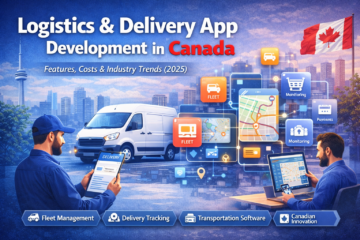
Logistics & Delivery App Development in Canada: Features, Costs & Industry Trends (2025)

The logistics industry in Canada is undergoing rapid digital transformation. With the rise of eCommerce, cross-border trade, and increasing customer expectations for real-time tracking, businesses are investing heavily in logistics app development in Canada.

From fleet management apps to advanced transportation software, mobile and cloud-based platforms are helping companies streamline operations, reduce costs, and improve delivery efficiency.

In this detailed guide, we’ll explore features, development costs, technology stack, and emerging trends shaping logistics app development in 2025.


Why Logistics Apps Are Booming in Canada

1. Growth of eCommerce

Online shopping continues to surge, increasing demand for faster and more transparent delivery systems.

2. Large Geographic Coverage

Canada’s vast geography requires optimized route planning and efficient fleet coordination.

3. Real-Time Delivery Expectations

Customers expect live tracking, accurate ETAs, and instant notifications.

4. Operational Cost Pressure

Fuel, labor, and maintenance costs are rising — making automation essential.


What Is a Logistics or Delivery App?

A logistics app is a digital platform designed to manage transportation and delivery operations. It connects:

  • Admin/Operations Managers
  • Drivers
  • Warehouse Staff
  • Customers

These apps enable real-time coordination across the entire supply chain.


Types of Logistics Apps in Canada

1. Fleet Management Apps

Used by logistics companies to manage vehicles and drivers.

Key functions:

  • GPS vehicle tracking
  • Driver behavior monitoring
  • Fuel usage tracking
  • Maintenance scheduling
  • Performance analytics

2. Delivery Tracking Apps

Designed for businesses handling last-mile deliveries.

Key features:

  • Real-time delivery tracking
  • Live ETA updates
  • Push notifications
  • Digital proof of delivery
  • Customer feedback system

3. Transportation Management Systems (TMS)

Enterprise-level transportation software that manages:

  • Shipment planning
  • Carrier selection
  • Freight billing
  • Route optimization
  • Analytics dashboards

4. Warehouse Management Apps

Helps manage inventory and dispatch processes:

  • Barcode scanning
  • Stock monitoring
  • Order processing
  • Inventory alerts

Must-Have Features for Logistics App Development (2025)

Real-Time GPS Tracking

  • Live vehicle location
  • Route history
  • Geofencing alerts

Smart Route Optimization

  • AI-powered route suggestions
  • Traffic updates
  • Fuel-efficient navigation
  • Multi-stop route planning

Driver Management System

  • Driver profiles
  • Attendance tracking
  • Performance scoring
  • In-app communication

Customer Interface

  • Live tracking dashboard
  • Delivery notifications
  • Estimated delivery time
  • Digital signature collection

Admin Dashboard

  • Shipment overview
  • Revenue reports
  • Performance analytics
  • Operational insights

Payment & Billing Integration

  • Automated invoicing
  • Online payments
  • Transaction tracking

Technology Stack for Logistics App Development in Canada

Modern transportation software typically uses:

  • Frontend: Flutter, React Native, Swift, Kotlin
  • Backend: Node.js, Python, .NET
  • Cloud Infrastructure: AWS, Azure, Google Cloud
  • Mapping Services: Google Maps API, Mapbox
  • Database: PostgreSQL, MongoDB
  • AI/ML: For predictive analytics & route optimization

Scalability and performance optimization are crucial due to real-time tracking and high data flow.


Cost of Logistics App Development in Canada (2025)

The cost depends on complexity, integrations, and scalability requirements.

Estimated Development Cost (CAD)

App TypeEstimated Cost
Basic Delivery Tracking App$25,000 – $50,000
Fleet Management App$50,000 – $100,000
Advanced Transportation Software (TMS)$100,000 – $300,000+

Factors Affecting Cost

  • Real-time GPS tracking
  • AI route optimization
  • Multi-role user dashboards
  • Payment integrations
  • Cloud hosting & infrastructure
  • Data security compliance
  • Ongoing maintenance & updates

Benefits of Logistics & Delivery Apps

Reduced Operational Costs

Optimized routes reduce fuel consumption and delays.

Increased Delivery Speed

Automation improves dispatch and coordination.

Enhanced Customer Satisfaction

Live tracking builds trust and transparency.

Data-Driven Decisions

Analytics identify inefficiencies and improvement areas.

Scalability

Easily expand operations across provinces and cities.


Logistics App Industry Trends in 2025

AI-Powered Predictive Logistics

Machine learning predicts delays, traffic patterns, and demand fluctuations.

IoT Integration

Smart sensors monitor cargo temperature, vehicle health, and fuel efficiency.

Green Logistics & Sustainability

Apps now track carbon emissions and optimize eco-friendly routes.

Blockchain in Supply Chain

Improves transparency, reduces fraud, and enhances shipment security.

Automation & Smart Dispatch

Automated job allocation reduces manual errors and speeds up operations.


Compliance & Security Considerations in Canada

Logistics apps must ensure:

  • Data encryption
  • Secure cloud hosting
  • Customer data protection
  • Compliance with Canadian privacy regulations
  • Secure payment processing

Cybersecurity is critical for transportation software handling sensitive operational data.


Step-by-Step Logistics App Development Process

  1. Define business model and target users
  2. Identify essential features (MVP first)
  3. Choose scalable tech stack
  4. Develop driver, admin, and customer panels
  5. Integrate GPS and route optimization
  6. Test under real-time load
  7. Deploy and monitor performance
  8. Scale with advanced analytics

Why Invest in Logistics App Development in Canada?

Canada’s transportation and delivery sector is highly competitive. Businesses that adopt modern digital solutions gain:

  • Faster operations
  • Lower operational costs
  • Improved fleet efficiency
  • Better customer retention
  • Strong competitive advantage

In 2025, logistics is no longer just about moving goods — it’s about moving data intelligently.


Final Thoughts

Logistics & delivery app development in Canada is transforming how transportation companies operate. From fleet management apps to advanced transportation software, digital solutions are enabling smarter, faster, and more cost-effective supply chains.

If you’re planning to build a logistics app, focusing on scalability, AI-powered optimization, and secure infrastructure will ensure long-term success in the rapidly evolving Canadian market.

The future of logistics is automated, connected, and data-driven — and mobile technology is at the center of it.

App Integration Services in Canada: Connecting Apps, APIs & Business Systems Seamlessly (2025 Guide)

In today’s digital economy, businesses don’t rely on a single software solution. From CRM platforms and payment gateways to marketing tools and cloud apps, companies use multiple systems to run operations.

The real challenge? Making them work together efficiently.

That’s where app integration services in Canada come into play — helping businesses connect applications, APIs, and enterprise systems into one unified ecosystem.


What Are App Integration Services?

App integration services involve connecting different software applications so they can:

  • Share data in real time
  • Automate workflows
  • Eliminate manual processes
  • Improve operational efficiency
  • Reduce errors and duplication

For example:

  • Integrating your CRM with marketing automation tools
  • Connecting your eCommerce platform with inventory management
  • Syncing your mobile app with backend ERP systems
  • Linking payment gateways with accounting software

Instead of isolated tools, integration creates a connected digital infrastructure.


Why App Integration Is Crucial for Canadian Businesses

Canadian businesses across industries — healthcare, fintech, retail, logistics, SaaS, and startups — rely heavily on integrated systems to remain competitive.

Here’s why integration matters:

1. Improved Productivity

Automated data transfer between apps eliminates repetitive manual tasks and reduces human errors.

2. Better Customer Experience

Integrated systems ensure seamless customer journeys — from inquiry to purchase to support.

3. Real-Time Data Access

Teams get centralized insights instead of switching between multiple dashboards.

4. Cost Efficiency

Automation reduces operational overhead and improves team performance.

5. Scalability

Integrated systems grow with your business without major structural changes.


Types of App Integration Services in Canada

1. API Integration Services

APIs (Application Programming Interfaces) allow different systems to communicate.

Common API integrations:

  • Payment gateways
  • Social media platforms
  • Cloud services
  • Logistics tracking systems
  • Third-party analytics tools

Businesses in Canada increasingly rely on secure REST and GraphQL APIs for scalable architecture.


2. Third-Party App Integration

Many companies use tools like:

  • CRM platforms
  • Marketing automation software
  • Accounting tools
  • HR management systems
  • Customer support platforms

Professional third-party app integration ensures these tools sync properly without performance issues.


3. CRM Integration in Canada

CRM integration connects customer data across platforms.

Benefits include:

  • Unified customer profiles
  • Automated lead tracking
  • Better sales forecasting
  • Improved marketing personalization

CRM integration is especially valuable for startups and enterprises focused on data-driven growth.


4. Cloud Application Integration

Cloud-native businesses require:

  • Secure data exchange
  • Real-time synchronization
  • Scalable cloud infrastructure

Integration platforms help unify SaaS apps with mobile and web platforms efficiently.


5. Enterprise Application Integration (EAI)

Large Canadian enterprises often integrate:

  • ERP systems
  • Supply chain platforms
  • Internal HR tools
  • Financial software
  • B2B client portals

Enterprise integration requires advanced architecture planning, middleware, and strong security protocols.


Industries That Benefit Most from App Integration in Canada

Healthcare

  • Patient management + billing systems
  • Secure data exchange (privacy compliance)

Fintech

  • Payment systems + fraud detection
  • Banking APIs + analytics tools

Retail & E-Commerce

  • Shopify integration
  • Inventory + warehouse automation
  • CRM + email marketing sync

Logistics & Transportation

  • Fleet tracking apps
  • Delivery scheduling systems
  • Real-time route optimization tools

Key Technologies Used for App Integration

Canadian development companies typically use:

  • REST & GraphQL APIs
  • Microservices architecture
  • Cloud platforms (AWS, Azure, GCP)
  • Middleware solutions
  • Webhooks & event-driven systems
  • Secure authentication (OAuth 2.0, JWT)

Choosing the right stack depends on scalability, security, and performance needs.


Cost of App Integration Services in Canada (2025)

The cost depends on:

  • Number of systems to integrate
  • API complexity
  • Security requirements
  • Custom vs pre-built connectors
  • Enterprise vs startup requirements

Estimated Cost Range:

Project TypeEstimated Cost (CAD)
Simple API Integration$5,000 – $15,000
CRM Integration$10,000 – $25,000
Cloud App Integration$15,000 – $40,000
Enterprise-Level Integration$40,000 – $100,000+

Ongoing maintenance and monitoring may require additional budget.


Common Challenges in App Integration

  • Data inconsistency
  • API rate limits
  • Security vulnerabilities
  • Legacy system compatibility
  • Performance bottlenecks
  • Compliance requirements (PIPEDA, industry regulations)

Professional integration services help avoid costly mistakes.


Best Practices for Successful App Integration

  1. Define clear business objectives
  2. Audit existing systems before integration
  3. Prioritize security & data privacy
  4. Use scalable architecture
  5. Test extensively before deployment
  6. Monitor performance continuously
  7. Plan for long-term maintenance

How to Choose the Right App Integration Partner in Canada

Look for:

  • Proven experience in API integration
  • Strong cloud expertise
  • Security-focused development practices
  • Industry-specific experience
  • Transparent pricing models
  • Ongoing support services

The right partner ensures seamless connectivity without disrupting business operations.


The Future of App Integration in Canada

By 2025 and beyond, Canadian businesses will increasingly adopt:

  • AI-powered integration workflows
  • Low-code/no-code integration platforms
  • Real-time event-driven architectures
  • Serverless integrations
  • Enhanced API security frameworks

As businesses expand their digital ecosystems, integration will become a strategic growth driver — not just a technical requirement.


Final Thoughts

App integration services in Canada are essential for businesses aiming to streamline operations, improve customer experiences, and scale efficiently.

Whether you need third-party app integration, CRM integration, or enterprise API services, investing in the right integration strategy can significantly enhance productivity and business performance.

If your systems aren’t talking to each other, you’re losing time, money, and opportunities.

Now is the time to build a connected, scalable, and future-ready digital ecosystem.

Real Estate App Development in Canada: Cost, Features & Business Opportunities (2025)

The Canadian real estate market is becoming increasingly digital. Buyers search for properties online, investors track listings through mobile apps, and real estate agents rely on technology to close deals faster. As a result, real estate app development in Canada is growing rapidly in 2025.

From property listing apps to advanced MLS-integrated platforms, mobile solutions are transforming how Canadians buy, sell, and manage properties.

In this guide, we’ll explore must-have features, development costs, compliance considerations, and business opportunities in the Canadian PropTech space.


Why Real Estate Apps Are in High Demand in Canada

Several factors are driving the growth of property listing apps in Canada:

  • Increasing mobile-first property searches
  • Rising demand for virtual tours & remote buying
  • Growth in real estate investments
  • Competitive housing markets in cities like Toronto and Vancouver
  • Expansion of AI-powered property recommendations

Modern buyers expect seamless, fast, and data-driven experiences — and real estate mobile solutions deliver exactly that.


Types of Real Estate Apps in Canada

Real estate app developers in Canada typically build:

1. Property Listing Apps

Apps similar to Zillow-style platforms with advanced filtering and search features.

2. MLS Integration Apps

Applications connected with Multiple Listing Services (MLS) databases for real-time updates.

3. Realtor Apps

CRM-enabled tools for agents to manage leads, listings, and communication.

4. Rental & Leasing Apps

Platforms for tenants and landlords with booking, payments, and verification tools.

5. Real Estate Investment Apps

Data-driven apps that analyze ROI, rental yield, and property trends.


Must-Have Features in Property Listing Apps (2025)

To compete in Canada’s digital real estate market, apps must include:

Core Features

  • Advanced property search & filters
  • Map-based search (Google Maps integration)
  • Property detail pages (images, pricing, location insights)
  • Favorites & saved searches
  • In-app messaging
  • Push notifications

Advanced Features

  • Virtual tours (360° view integration)
  • AI-powered property recommendations
  • Mortgage calculator integration
  • Real-time MLS updates
  • Secure document upload & e-signature
  • Analytics dashboard for agents
  • Multi-language support

Cost of Real Estate App Development in Canada

The cost of developing a real estate mobile app depends on features, integrations, and scalability requirements.

Estimated Development Cost (2025)

App TypeEstimated Cost
Basic Property Listing MVP$30,000 – $50,000
Mid-Level App with MLS Integration$50,000 – $100,000
Advanced AI & Virtual Tour Platform$100,000 – $250,000+

Factors Affecting Cost

  • MLS database integration complexity
  • AI recommendation systems
  • Cloud infrastructure
  • UI/UX customization
  • Security & compliance
  • Ongoing maintenance

Hourly rates in Canada typically range between $80 – $150 per hour.


Compliance & Legal Considerations in Canada

Real estate apps must follow:

  • PIPEDA data privacy regulations
  • Provincial real estate board rules
  • Secure transaction handling standards
  • Data encryption best practices

Handling user financial information and legal documentation securely is critical for trust and regulatory compliance.


Technology Stack for Real Estate App Development

Modern property apps in Canada often use:

  • Frontend: Flutter, React Native, Swift, Kotlin
  • Backend: Node.js, Python, .NET
  • Database: PostgreSQL, MongoDB
  • Cloud Hosting: AWS, Azure, Google Cloud
  • APIs: MLS integration APIs, Google Maps API

Cloud-native architecture ensures scalability during high-traffic market periods.


Business Opportunities in Canadian PropTech (2025)

The PropTech market in Canada presents strong opportunities:

1. AI-Powered Smart Search

Apps that predict buyer preferences based on behavior.

2. Virtual Buying Experience

Remote transactions with digital documentation and online closings.

3. Subscription-Based Realtor Platforms

Monthly SaaS models for agents and brokerages.

4. Investment Analytics Platforms

Data insights for real estate investors.

5. Short-Term Rental Platforms

Airbnb-style property management apps tailored for Canadian markets.


How to Choose the Right Real Estate App Developers in Canada

When selecting a development partner, consider:

  • Experience with MLS app development
  • Knowledge of real estate compliance laws
  • Strong UI/UX design capabilities
  • Ability to build scalable cloud architecture
  • Post-launch maintenance & updates

An experienced real estate app development company in Canada will ensure your platform remains secure, scalable, and competitive.


Why Invest in Real Estate Mobile Solutions Now?

  • Growing mobile property searches
  • High competition among agents
  • Rising demand for virtual property viewing
  • Data-driven buying decisions
  • Expanding Canadian housing market

Businesses that invest early in digital real estate platforms can gain long-term market advantage.


Final Thoughts

Real estate app development in Canada is unlocking new growth opportunities for property agencies, brokerages, startups, and investors. From property listing apps to advanced MLS-integrated platforms, mobile solutions are reshaping the industry in 2025.

Whether you’re launching a new PropTech startup or modernizing your brokerage operations, investing in scalable and secure real estate mobile solutions can drive engagement, efficiency, and revenue.

If you’re planning to build a property listing app in Canada, now is the time to capitalize on this digital transformation.

Education App Development in Canada: Features, Costs & EdTech Trends in 2025

The education industry in Canada is rapidly transforming through digital innovation. From K-12 institutions and universities to corporate training providers and startups, organizations are investing heavily in education app development in Canada to deliver engaging, accessible, and scalable learning experiences.

With the rise of remote learning, AI-powered personalization, and mobile-first users, EdTech apps are no longer optional — they are essential.

In this guide, we’ll explore key features, development costs, compliance requirements, and emerging EdTech trends shaping 2025.


Why Education Apps Are Booming in Canada

Several factors are driving the growth of online learning platforms in Canada:

  • Increased demand for remote & hybrid learning
  • Government investment in digital education
  • Growth of corporate upskilling programs
  • Rising adoption of AI-based personalized learning
  • Expansion of global student markets

Canadian institutions and EdTech startups are leveraging mobile apps to enhance accessibility, engagement, and performance tracking.


Types of Education Apps in Canada

Education app developers in Canada typically build:

1. E-Learning Apps

Structured course-based platforms with video lessons, quizzes, and certifications.

2. Virtual Classroom Apps

Live interactive learning with video conferencing, whiteboards, and chat features.

3. Language Learning Apps

Gamified learning with AI-based speech recognition and practice modules.

4. Corporate Training Apps

Enterprise-focused learning management systems (LMS) for employee development.

5. Skill Development & Test Prep Apps

Exam preparation, microlearning modules, and interactive mock tests.


Must-Have Features in EdTech Apps (2025)

To compete in the modern education market, apps must include:

Core Features

  • User registration & role management (students, teachers, admins)
  • Course management system
  • Video streaming & downloadable resources
  • Live classes & webinar integration
  • In-app assessments & quizzes
  • Push notifications

Advanced Features

  • AI-powered personalized learning paths
  • Progress tracking & analytics dashboards
  • Gamification (badges, rewards, leaderboards)
  • Offline learning mode
  • Multi-language support
  • Secure payment integration
  • Cloud-based data storage

Cost of Education App Development in Canada

The cost of building an education app depends on complexity, features, and technology stack.

Estimated Development Cost (2025)

App TypeEstimated Cost
Basic MVP (Recorded courses + quizzes)$25,000 – $45,000
Mid-Level App (Live classes + analytics)$45,000 – $90,000
Advanced AI-Powered EdTech Platform$90,000 – $200,000+

Factors Affecting Cost

  • Custom UI/UX design
  • Video streaming infrastructure
  • AI & machine learning integration
  • Cloud hosting & scalability
  • Security & compliance requirements
  • Ongoing maintenance

Hourly development rates in Canada typically range from $80 – $150 per hour.


Compliance & Data Privacy in Canada

Education apps must comply with Canadian regulations such as:

  • PIPEDA (Personal Information Protection and Electronic Documents Act)
  • Provincial privacy laws (e.g., Ontario’s education data rules)
  • Accessibility standards (WCAG compliance)

Data encryption, secure authentication, and parental consent mechanisms are critical when building student-focused platforms.


Tech Stack Used by EdTech App Developers in Canada

Modern education apps often use:

  • Frontend: Flutter, React Native, Swift, Kotlin
  • Backend: Node.js, Python, .NET
  • Database: PostgreSQL, MongoDB
  • Cloud Services: AWS, Azure, Google Cloud
  • AI Integration: Machine learning APIs, predictive analytics

Cloud-native architecture ensures scalability during high-traffic periods like exams or enrollment seasons.


EdTech Trends in Canada (2025)

The future of online learning platforms in Canada is shaped by:

1. AI-Driven Personalization

Apps that adapt learning paths based on student performance.

2. Microlearning & Bite-Sized Content

Short modules optimized for mobile users.

3. Gamification

Improving engagement through interactive experiences.

4. AR/VR in Education

Immersive simulations for medical, engineering, and vocational training.

5. Subscription-Based Learning Models

Recurring revenue models for sustainable EdTech growth.


How to Choose the Right eLearning App Developers in Canada

Before hiring an EdTech development partner, evaluate:

  • Experience in education sector projects
  • Understanding of compliance regulations
  • Portfolio of LMS or learning platforms
  • Ability to scale infrastructure
  • Post-launch support & maintenance

A strong development partner will not only build your app but also help optimize retention and monetization strategies.


Why Invest in Education App Development Now?

The Canadian EdTech market is expected to continue expanding due to:

  • Increasing smartphone adoption
  • Government-backed digital education initiatives
  • Growing demand for remote certification programs
  • Corporate reskilling investments

Businesses that launch scalable, user-friendly education apps now can capture long-term market share.


Final Thoughts

Education app development in Canada is no longer just a trend — it is a strategic investment. Whether you are launching a startup eLearning platform or digitizing an educational institution, building a secure, scalable, and engaging EdTech app is critical in 2025.

Partnering with experienced education app developers in Canada ensures your platform meets compliance standards, delivers seamless user experiences, and adapts to evolving digital learning trends.

If you’re planning to build an online learning platform in Canada, now is the right time to turn your vision into a future-ready EdTech solution.

Top App Development Companies in Vancouver: 2025 Ranking & Comparison Guide

Vancouver has rapidly emerged as one of Canada’s strongest technology hubs. With a thriving startup ecosystem, access to global talent, and strong investment in innovation, businesses are actively searching for the best app development company in Vancouver to bring their ideas to life.

Whether you’re a startup building an MVP or an enterprise launching a scalable digital product, choosing the right Vancouver mobile app agency can define your success.

In this guide, we rank and compare the top app developers in Vancouver, highlight evaluation criteria, and help you choose the right partner in 2025.


Why Vancouver Is a Growing Tech Hub

Vancouver’s tech ecosystem continues to expand due to:

  • Strong startup culture
  • Government innovation incentives
  • Access to skilled developers
  • Growth in AI, SaaS, fintech, and gaming
  • Proximity to the U.S. tech market

This makes the city home to some of the most innovative BC software companies offering mobile and web app development services.


How We Ranked the Top App Development Companies in Vancouver

We evaluated companies based on:

  • Portfolio quality & case studies
  • Client reviews & testimonials
  • Industry expertise
  • Technical capabilities (iOS, Android, cross-platform, cloud, AI)
  • Pricing transparency
  • Post-launch support & maintenance

Top App Development Companies in Vancouver (2025)

1. App-Scoop

Best For: Startups, SMBs & enterprise-grade scalable apps

App-Scoop is a full-service app development company in Vancouver delivering custom mobile and web applications across industries including healthcare, fintech, SaaS, and e-commerce.

Core Services:

  • Custom mobile app development
  • iOS & Android app development
  • Cross-platform (Flutter / React Native)
  • SaaS application development
  • Cloud-native architecture
  • UI/UX design & prototyping
  • App modernization & scaling

Why Choose App-Scoop?

  • End-to-end development process
  • Strong focus on scalability & security
  • Transparent pricing models
  • Dedicated development teams

Ideal for businesses looking for long-term technology partnerships rather than one-time development.


2. Steamclock Software

Known for crafting beautifully designed mobile apps, Steamclock Software specializes in high-performance iOS and Android applications.

Best For: Consumer-facing mobile apps
Strengths: UX excellence, native app development, strong portfolio


3. Essential Designs

A Vancouver-based mobile app agency offering custom development for startups and enterprises.

Best For: Custom software & web applications
Strengths: Agile methodology, MVP development


4. Roonyx

Roonyx focuses on scalable product development, including fintech and AI-powered applications.

Best For: AI-driven and tech-focused startups
Strengths: Modern tech stack, strong engineering team


5. Many Hats

A boutique digital product studio offering web and mobile app development services.

Best For: UX-focused startups
Strengths: Product strategy + design-led development


Cost of Hiring an App Development Company in Vancouver

The cost of mobile app development in Vancouver depends on complexity, features, and technology stack.

Estimated Costs (2025):

App TypeEstimated Cost
Basic MVP$20,000 – $40,000
Medium Complexity App$40,000 – $90,000
Enterprise / AI-powered App$90,000 – $200,000+

Hourly rates typically range between $80 – $150 per hour depending on expertise.


How to Choose the Right Vancouver Mobile App Agency

Before signing a contract, ask:

  1. Do they have experience in your industry?
  2. Can they show measurable results?
  3. What technologies do they specialize in?
  4. Do they offer post-launch maintenance?
  5. How do they handle IP ownership and security?

Choosing the wrong agency can delay your launch and increase costs — due diligence is critical.


Local vs Offshore: Why Choose Vancouver-Based Developers?

Working with a local BC software company offers:

  • Easier communication
  • Better time-zone alignment
  • Strong understanding of Canadian compliance (PIPEDA, industry regulations)
  • Faster iteration cycles
  • Long-term partnership opportunities

While offshore options may appear cheaper, local developers often deliver better long-term ROI.


Industries Served by Vancouver App Developers

Top app developers in Vancouver commonly build solutions for:

  • Healthcare & MedTech
  • Fintech
  • Real Estate
  • E-commerce
  • SaaS Platforms
  • Gaming & Entertainment
  • Enterprise Mobility

Future Trends in Vancouver App Development (2025)

  • AI-powered personalization
  • Cross-platform dominance (Flutter / React Native)
  • Cloud-native applications
  • Blockchain integration
  • AR/VR expansion
  • Advanced app security protocols

Businesses investing early in these technologies gain competitive advantages.


Final Thoughts

Vancouver is home to some of Canada’s most innovative and reliable mobile app development companies. Whether you’re building an MVP or scaling an enterprise platform, selecting the right app development company in Vancouver can significantly impact your product’s performance and profitability.

Take time to compare portfolios, technical capabilities, and long-term support options before making your decision.

If you’re planning to launch a mobile or web app in 2025, partnering with an experienced Vancouver mobile app agency can turn your vision into a scalable digital product.