
Enterprise Software Development in Canada (2026 Guide)

In 2026, Canadian enterprises are investing heavily in digital infrastructure to improve efficiency, security, and scalability. From banks and healthcare providers to logistics and manufacturing firms, organizations need powerful internal systems to manage operations at scale.

This is where enterprise software development in Canada becomes mission-critical.

Unlike standard mobile or web apps, enterprise systems are complex, highly secure, and deeply integrated with internal workflows. In this guide, we’ll break down:

  • What enterprise software development really means
  • Architecture models used in 2026
  • Cost breakdown in Canada
  • Implementation strategy for large organizations
  • How to choose the right enterprise software company in Canada

What Is Enterprise Software Development?

Enterprise software development refers to building large-scale digital systems designed to support business operations across departments, teams, and geographic locations.

Examples include:

  • ERP systems
  • CRM platforms
  • Supply chain management systems
  • HR management systems
  • Financial management platforms
  • Internal workflow automation tools

Unlike off-the-shelf tools, custom enterprise solutions are tailored to a company’s exact workflows, compliance requirements, and growth plans.

Many Canadian enterprises choose custom development over SaaS tools when they need:

  • Deep integrations
  • Advanced security controls
  • Scalability for high traffic
  • Compliance with PIPEDA and industry regulations
  • Competitive differentiation

Why Canadian Enterprises Prefer Custom Enterprise Solutions

Businesses across Toronto, Vancouver, Calgary, and Montreal are shifting toward custom-built enterprise platforms for several reasons:

1️⃣ Operational Complexity

Large companies often outgrow generic SaaS platforms.

2️⃣ Compliance & Data Security

Industries like healthcare, fintech, and government require strict regulatory compliance.

3️⃣ Scalability

Enterprise systems must support thousands (or millions) of users.

4️⃣ Integration Requirements

Enterprise application development often requires connecting:

  • Legacy systems
  • Third-party APIs
  • Cloud infrastructure
  • AI automation systems

If you’re already investing in custom software development Canada, enterprise-grade systems become a natural next step.


Enterprise Software Architecture Models (2026)

Architecture determines scalability, security, and performance. Here are the most common models used by enterprise software companies in Canada:

Monolithic Architecture

  • Single codebase
  • Easier initial development
  • Harder to scale long-term

Best for: Mid-sized businesses.


Microservices Architecture

  • Independent services
  • Highly scalable
  • Easier CI/CD and DevOps

Best for: Large enterprises with complex systems.


Cloud-Native Architecture

  • Built for AWS, Azure, or Google Cloud
  • Highly elastic
  • Supports remote teams

Works perfectly alongside cloud app development Canada initiatives.


AI-Integrated Architecture

Many enterprise systems now integrate:

  • Predictive analytics
  • AI automation
  • Chatbots
  • Process optimization engines

This overlaps with modern AI development and automation services.


Enterprise Software Development Cost in Canada (2026)

Costs vary based on complexity, integrations, and compliance needs.

💰 Typical Cost Range:

Project ScopeEstimated Cost (CAD)
Basic Enterprise System$80,000 – $150,000
Mid-Level System$150,000 – $400,000
Large-Scale Enterprise Platform$400,000 – $1M+

Key Cost Factors:

  • Architecture type
  • Number of integrations
  • Security requirements
  • Compliance (PHIPA, PIPEDA, etc.)
  • AI features
  • DevOps setup
  • Ongoing maintenance

Compared to mobile app development, enterprise application development typically requires longer timelines and larger teams.


Implementation Strategy for Enterprise Software (Step-by-Step)

Step 1: Business & Technical Audit

Before development begins, conduct:

  • System analysis
  • Workflow mapping
  • Infrastructure review

A technical audit prevents costly rebuilds later.


Step 2: Architecture Planning

Choose:

  • Monolithic vs microservices
  • Cloud provider
  • Database structure
  • API strategy

This stage directly impacts scalability and long-term ROI.


Step 3: MVP or Modular Rollout

Instead of launching everything at once, enterprises often:

  • Release core modules first
  • Integrate gradually
  • Collect user feedback

This reduces risk and improves adoption.


Step 4: DevOps & CI/CD Implementation

Modern enterprise systems require:

  • Automated deployments
  • Continuous testing
  • Version control
  • Security monitoring

This aligns with best practices in DevOps for scalable software.


Step 5: Post-Launch Optimization

Enterprise systems require:

  • Performance monitoring
  • Security patches
  • Feature upgrades
  • Scalability testing

Long-term success depends on maintenance and improvement.


Industries Investing in Enterprise Software Development in Canada

  • Healthcare & Medical Systems
  • Fintech & Banking
  • Government & Public Sector
  • Manufacturing (Industry 4.0)
  • Logistics & Supply Chain
  • Retail & E-commerce

Enterprise software is often part of broader digital transformation services Canada initiatives.


How to Choose the Right Enterprise Software Company in Canada

When evaluating an enterprise software company in Canada, consider:

✔️ Experience with Large-Scale Systems

Ask for enterprise case studies.

✔️ Architecture Expertise

Microservices, cloud-native, AI integration.

✔️ Security & Compliance Knowledge

Especially in regulated industries.

✔️ Long-Term Support Model

Enterprise systems require years of support.

✔️ Transparent Pricing Structure

Fixed price vs dedicated team vs milestone-based.

A strong partner will offer consulting, development, integration, and long-term optimization — not just coding.


Enterprise Software vs SaaS: What’s Right for You?

Enterprise SoftwareSaaS
Fully customizedStandardized features
Higher upfront costLower monthly cost
Full controlLimited customization
Long-term assetVendor dependency

For enterprises with complex workflows, custom development often delivers better ROI.


Final Thoughts: Is Enterprise Software Worth the Investment?

For Canadian enterprises in 2026, enterprise software development is no longer optional — it’s strategic infrastructure.

The right architecture and implementation strategy can:

  • Reduce operational costs
  • Improve cross-team efficiency
  • Strengthen data security
  • Enable AI-driven automation
  • Support long-term scalability

Whether you are modernizing legacy systems or building from scratch, investing in enterprise software development in Canada can become a competitive advantage rather than just an IT expense.

AI Workflow Automation in Canada: Costs, Use Cases & Implementation Guide (2026)

Canadian businesses are under constant pressure to increase efficiency, reduce operational costs, and scale without expanding large teams.

The solution? AI workflow automation.

From startups in Toronto to enterprises in Vancouver and Montreal, companies are adopting AI-driven automation to transform how work gets done.

In this 2026 guide, we’ll explore:

  • What AI workflow automation really means
  • Real business use cases in Canada
  • Cost expectations
  • Implementation roadmap
  • ROI and scaling benefits

What is AI Workflow Automation?

AI workflow automation combines:

  • Artificial Intelligence (AI)
  • Machine Learning (ML)
  • Robotic Process Automation (RPA)
  • Intelligent decision-making systems

Unlike traditional automation (rule-based), AI-powered automation can:

✔ Analyze data
✔ Learn from patterns
✔ Make decisions
✔ Improve processes over time

This is often called Intelligent Process Automation (IPA).


Why Canadian Businesses Are Investing in AI Automation

Canada is a growing AI hub with innovation ecosystems supported by:

  • Vector Institute
  • Mila
  • University of Toronto

With government-backed AI initiatives and strong tech talent, AI adoption is accelerating across industries.


Top AI Workflow Automation Use Cases in Canada

1️⃣ Customer Support Automation

  • AI chatbots handling 70–80% of FAQs
  • Automated ticket routing
  • Sentiment analysis

Result: Lower support costs + faster response times.


2️⃣ Finance & Accounting Automation

  • Invoice processing
  • Expense verification
  • Fraud detection
  • Automated financial reporting

AI reduces manual errors and cuts processing time by up to 60%.


3️⃣ HR & Recruitment Automation

  • Resume screening
  • Interview scheduling
  • Employee onboarding workflows

Large enterprises are saving hundreds of hours monthly.


4️⃣ Sales & Marketing Automation

  • Lead scoring using AI
  • Email personalization
  • CRM data automation
  • Predictive analytics

AI identifies high-converting prospects automatically.


5️⃣ Supply Chain & Operations

  • Demand forecasting
  • Inventory optimization
  • Intelligent procurement
  • Logistics optimization

Critical for manufacturing and retail companies across Canada.


How AI Workflow Automation Reduces Costs

Here’s how businesses typically save money:

✔ Reduced Labor Costs

Automate repetitive admin tasks.

✔ Fewer Human Errors

Lower compliance and financial risks.

✔ Faster Processing

What took days now takes minutes.

✔ Scalable Operations

Grow revenue without proportional hiring.

Many Canadian businesses report:

  • 20–40% operational cost reduction
  • 2–5x productivity increase
  • ROI within 6–12 months

AI Workflow Automation Costs in Canada (2026)

Costs vary depending on complexity:

Small Business Automation

$8,000 – $25,000

  • CRM automation
  • Basic AI chatbot
  • Workflow optimization

Mid-Size Company

$25,000 – $120,000

  • Cross-department automation
  • ERP integration
  • AI analytics dashboard

Enterprise-Level Automation

$120,000 – $500,000+

  • Multi-system AI orchestration
  • Advanced ML models
  • Compliance & security layers

Factors affecting cost:

  • Integration complexity
  • Data availability
  • Security requirements
  • Custom AI model development
  • Cloud infrastructure

Implementation Roadmap for AI Workflow Automation

Here’s a proven step-by-step approach:

Step 1: Process Audit

Identify repetitive, rule-based, or data-heavy tasks.

Step 2: ROI Analysis

Estimate time saved vs automation cost.

Step 3: Pilot Project

Start with one department.

Step 4: Integration & Testing

Connect CRM, ERP, internal systems.

Step 5: Scale Across Organization

Expand automation once ROI is validated.


Common AI Automation Technologies Used

  • Robotic Process Automation (RPA)
  • Machine Learning models
  • Natural Language Processing (NLP)
  • AI chatbots & assistants
  • Predictive analytics engines

Many Canadian firms combine automation with cloud platforms for scalability and compliance.


Key Industries Adopting AI Workflow Automation in Canada

  • Healthcare
  • Finance & FinTech
  • Retail & E-commerce
  • Manufacturing
  • Real Estate
  • Logistics

Enterprise AI adoption is growing particularly fast in Toronto and Vancouver tech ecosystems.


Challenges to Consider

Before implementing AI workflow automation:

⚠ Data quality issues
⚠ Resistance to change
⚠ Compliance & privacy laws (PIPEDA)
⚠ Integration with legacy systems

Working with an experienced AI automation company reduces these risks significantly.


How to Choose the Right AI Workflow Automation Partner in Canada

Look for:

✔ Proven case studies
✔ Industry-specific experience
✔ Custom AI development capabilities
✔ Strong data security standards
✔ Post-deployment support

Avoid agencies offering only generic automation without strategic alignment.


The Future of AI Workflow Automation in Canada

By 2026 and beyond, we will see:

  • Fully autonomous business processes
  • AI-driven decision-making layers
  • Hyper-personalized customer journeys
  • Enterprise-wide AI orchestration platforms

Companies that invest now will gain long-term competitive advantage.


Final Thoughts

AI workflow automation in Canada is no longer optional — it’s a strategic necessity.

Businesses that automate intelligently:

  • Reduce operational costs
  • Improve efficiency
  • Scale faster
  • Increase profit margins
  • Future-proof operations

If you’re planning digital transformation in 2026, AI workflow automation should be at the core of your strategy.

Enterprise AI Development in Canada (2026)

Artificial Intelligence is no longer a futuristic concept for enterprises — it is a strategic growth driver. Across Canada, large organizations are adopting AI to streamline operations, enhance decision-making, and gain a competitive edge.

If you’re exploring enterprise AI development in Canada, this guide explains the real-world use cases, investment costs, and implementation roadmap for 2026.


What Is Enterprise AI Development?

Enterprise AI development involves designing and deploying advanced AI systems across large-scale organizations. Unlike basic AI features in mobile apps, enterprise AI focuses on:

  • Cross-department automation
  • Data-driven decision systems
  • Predictive analytics
  • AI-powered customer experiences
  • Intelligent workflow automation

It integrates with existing enterprise infrastructure such as:

  • ERP systems
  • CRM platforms
  • HR software
  • Supply chain systems
  • Legacy databases

Why Canadian Enterprises Are Investing in AI

1️⃣ Operational Efficiency

AI automates repetitive processes in finance, HR, customer service, and IT.

2️⃣ Cost Optimization

Intelligent automation reduces operational expenses significantly.

3️⃣ Data-Driven Decisions

AI models analyze massive datasets in real time.

4️⃣ Competitive Advantage

Early AI adopters dominate their industries with smarter systems.


Top Enterprise AI Use Cases in Canada

🏦 Financial Services

  • Fraud detection systems
  • Risk modeling
  • Credit scoring automation

🏭 Manufacturing & Logistics

  • Predictive maintenance
  • Demand forecasting
  • Supply chain optimization

🏥 Healthcare & MedTech

  • Patient data analytics
  • AI-assisted diagnostics
  • Workflow automation

🛍 Retail & E-commerce

  • Dynamic pricing
  • Inventory optimization
  • Personalized recommendations

🏛 Government & Public Sector

  • AI-powered service portals
  • Data intelligence systems

Types of Enterprise AI Solutions

AI Solution TypePurposeBusiness Impact
Predictive AnalyticsForecast trendsImproved decision-making
AI Workflow AutomationAutomate tasksLower costs
AI Chatbots & Virtual AssistantsCustomer & internal support24/7 efficiency
Computer Vision SystemsImage/video analysisEnhanced quality control
Generative AI ToolsContent & data generationFaster productivity

Enterprise AI Development Cost in Canada (2026)

Enterprise AI projects vary widely depending on scope and infrastructure complexity.

Project ScopeEstimated Cost (CAD)
Department-Level AI System$50,000 – $120,000
Cross-Department AI Integration$120,000 – $300,000
Full Enterprise AI Transformation$300,000 – $1M+

What Influences Cost?

  • AI model complexity
  • Data readiness & cleansing
  • Cloud infrastructure
  • Integration with legacy systems
  • Compliance & security requirements
  • Ongoing model training

Enterprise AI is a strategic investment, not a short-term expense.


Enterprise AI Implementation Roadmap

A structured roadmap ensures successful AI transformation.

Step 1: Business Goal Identification

Define measurable objectives (cost reduction, automation rate, productivity gain).

Step 2: Data Assessment

Audit data quality, structure, and availability.

Step 3: AI Strategy & Architecture Design

Choose between cloud-native, hybrid, or on-premise AI infrastructure.

Step 4: Development & Integration

Build AI models and integrate with enterprise systems.

Step 5: Testing & Validation

Run pilot programs before full rollout.

Step 6: Deployment & Scaling

Implement gradually across departments.

Step 7: Continuous Optimization

Monitor performance and retrain models.


Compliance & Security Considerations in Canada

Enterprise AI systems must comply with:

  • PIPEDA
  • PHIPA (for healthcare)
  • Data residency regulations
  • Encryption & cybersecurity standards

Security architecture is critical, especially for financial and government sectors.


Benefits of Enterprise AI Development

🚀 Increased Productivity

Automation frees employees to focus on strategic tasks.

💰 Cost Savings

Organizations report up to 30–40% operational savings.

📊 Better Forecasting Accuracy

Predictive models reduce risk and uncertainty.

⚡ Faster Decision-Making

Real-time data insights improve agility.

📈 Scalability

AI systems grow with enterprise expansion.


Common Challenges in Enterprise AI Projects

  • Poor data quality
  • Resistance to change
  • Integration complexity
  • Unrealistic ROI expectations
  • Lack of AI governance

Partnering with an experienced enterprise AI development company in Canada reduces these risks significantly.


How to Choose the Right Enterprise AI Development Partner

When evaluating AI integration services in Canada, consider:

  • Proven enterprise case studies
  • Strong cloud & DevOps expertise
  • Experience with large data architectures
  • Clear AI governance strategy
  • Post-deployment support

Avoid vendors offering generic AI solutions without strategic planning.


Is Enterprise AI Worth the Investment?

For mid-size and large organizations — absolutely.

Enterprise AI delivers:

  • Long-term operational savings
  • Competitive differentiation
  • Scalable digital transformation
  • Sustainable innovation

In 2026 and beyond, AI adoption will separate market leaders from laggards.


Final Thoughts

Enterprise AI development in Canada is accelerating across industries. Organizations that invest strategically today will build smarter, more resilient, and more efficient systems for the future.

If your business is planning AI transformation, a structured roadmap, secure infrastructure, and expert implementation are essential for success.

AI Chatbot Development in Canada (2026 Guide)

Artificial Intelligence is transforming how Canadian businesses interact with customers. From automated support to intelligent sales assistants, AI chatbots are no longer optional — they are becoming a competitive necessity.

If you’re considering AI chatbot development in Canada, this guide explains everything you need to know: costs, use cases, technologies, and ROI potential in 2026.


What Is AI Chatbot Development?

AI chatbot development involves building intelligent conversational systems that simulate human-like interactions using:

  • Natural Language Processing (NLP)
  • Machine Learning (ML)
  • Large Language Models (LLMs)
  • Conversational AI frameworks

Modern chatbots go beyond scripted replies. With GPT-based systems, they understand context, intent, and even sentiment.

Businesses across Canada are integrating chatbots into:

  • Websites
  • Mobile apps
  • SaaS platforms
  • WhatsApp & SMS
  • Customer portals
  • Internal enterprise systems

Why AI Chatbots Are Growing Rapidly in Canada

Canadian businesses are investing in conversational AI for three main reasons:

1. Rising Customer Expectations

Customers expect 24/7 support and instant responses.

2. Cost Reduction

AI chatbots reduce dependency on large customer service teams.

3. Scalability

Chatbots can handle thousands of conversations simultaneously without performance issues.


Top AI Chatbot Use Cases in Canada

🏦 FinTech & Banking

  • Automated account queries
  • Fraud alerts
  • Loan eligibility screening

🏥 Healthcare

  • Appointment booking
  • Patient FAQs
  • Symptom pre-screening

🛒 E-commerce

  • Product recommendations
  • Order tracking
  • Abandoned cart recovery

🏢 Enterprise & B2B

  • Internal HR assistants
  • IT helpdesk bots
  • Knowledge base automation

🏛 Government & Public Sector

  • Citizen service automation
  • Information portals

Types of AI Chatbots Businesses Can Build

TypeBest ForComplexity
Rule-Based ChatbotSimple FAQsLow
NLP-Based ChatbotContext-aware responsesMedium
GPT-Powered ChatbotHuman-like conversationsHigh
Enterprise AI AssistantCRM/ERP integrationsAdvanced

For most modern businesses, GPT-powered conversational AI provides the highest engagement and flexibility.


AI Chatbot Development Cost in Canada (2026)

The cost depends on complexity, integrations, and customization.

Project TypeEstimated Cost (CAD)
Basic FAQ Chatbot$8,000 – $15,000
NLP Chatbot with Integrations$18,000 – $35,000
GPT-Based AI Chatbot$30,000 – $60,000
Enterprise AI Assistant$60,000 – $120,000+

What Impacts Cost?

  • GPT / LLM integration
  • CRM or ERP integrations
  • Custom UI/UX
  • Security & compliance (PIPEDA, PHIPA)
  • Hosting & infrastructure
  • Ongoing training & optimization

Technologies Used in AI Chatbot Development

Modern AI chatbot companies in Canada use:

  • OpenAI GPT models
  • Google Dialogflow
  • Microsoft Azure AI
  • AWS AI Services
  • Custom ML pipelines
  • Python / Node.js backend
  • React / Flutter frontend

Enterprise bots also integrate with:

  • Salesforce
  • HubSpot
  • Shopify
  • SAP
  • Custom APIs

Business Benefits of AI Chatbot Development

🚀 1. 24/7 Customer Support

Never miss a lead outside business hours.

💰 2. Reduced Operational Costs

Companies report up to 30–50% savings in support costs.

📈 3. Higher Lead Conversion

Instant responses improve engagement and sales.

⚡ 4. Faster Internal Workflows

AI assistants automate HR, IT, and operations tasks.

📊 5. Data-Driven Insights

Chatbots collect valuable customer interaction data.


AI Chatbot Development Process

A professional AI chatbot development company in Canada typically follows:

  1. Requirement Analysis
  2. Conversation Flow Design
  3. AI Model Selection (GPT / NLP Engine)
  4. Backend & API Integration
  5. UI/UX Development
  6. Testing & Training
  7. Deployment
  8. Continuous Optimization

Compliance & Data Privacy in Canada

When building AI chatbots in Canada, businesses must consider:

  • PIPEDA compliance
  • PHIPA (for healthcare apps)
  • Data encryption
  • Secure cloud infrastructure
  • Consent-based data collection

Enterprise-grade security is critical, especially in finance and healthcare industries.


How to Choose the Right AI Chatbot Company in Canada

When selecting a development partner, look for:

  • Experience in AI & machine learning
  • Strong backend integration capabilities
  • Cloud architecture expertise
  • Industry-specific knowledge
  • Post-launch support & optimization

Avoid vendors offering “cheap chatbot templates” without customization or security standards.


Is AI Chatbot Development Worth It?

Yes — especially for:

  • Startups looking to scale support
  • SaaS companies automating onboarding
  • E-commerce brands boosting conversions
  • Enterprises reducing operational costs

The ROI often becomes visible within 6–12 months.


Final Thoughts

AI chatbot development in Canada is moving from experimental to essential. Businesses that implement conversational AI today gain:

  • Competitive advantage
  • Lower operational costs
  • Higher customer satisfaction
  • Faster growth

If you’re planning to integrate conversational AI into your mobile or web platform, investing in a scalable, secure, and intelligent chatbot solution will position your business for long-term success in 2026 and beyond.

Software Development Company Canada | 2026 Buyer’s Guide

Canada’s digital economy is accelerating rapidly. From startups to enterprises, organizations are investing in custom web platforms, mobile apps, SaaS products, and AI-powered systems to stay competitive.

But choosing the right software development company in Canada can determine whether your project succeeds — or fails.

This 2026 buyer’s guide will help you evaluate, compare, and confidently hire the right technology partner.


Why Businesses Are Hiring Software Development Companies in Canada

Companies across industries are investing in:

  • Custom web application development
  • Mobile app development (iOS & Android)
  • SaaS platform development
  • Enterprise software systems
  • AI & automation solutions
  • Cloud-native architecture

A professional mobile and web development company does more than write code — they help design scalable digital ecosystems aligned with your business goals.


What Services Should a Top Software Company in Canada Offer?

When evaluating a software development company Canada, ensure they provide:

1️⃣ Custom Web Application Development

  • SaaS platforms
  • Enterprise dashboards
  • Customer portals
  • Admin systems

2️⃣ Mobile App Development

  • iOS & Android apps
  • Cross-platform development
  • Enterprise mobility solutions
  • UI/UX design

3️⃣ AI Development & Automation

  • AI chatbots
  • Predictive analytics
  • Workflow automation
  • Machine learning integration

An experienced AI development company in Canada should integrate intelligence into modern systems — not treat it as an afterthought.


4️⃣ Cloud & DevOps

  • AWS / Azure / GCP deployment
  • CI/CD pipelines
  • Scalable architecture
  • Performance optimization

5️⃣ Ongoing Support & Maintenance

  • Security updates
  • Feature enhancements
  • Performance monitoring
  • Technical support

If a company only offers development without long-term support, that’s a red flag.


7 Key Factors to Evaluate Before Hiring

1️⃣ Portfolio & Case Studies

Review:

  • Similar industry experience
  • Complexity of past projects
  • UI/UX quality
  • Scalability of systems

A top software company in Canada should show real business outcomes — not just designs.


2️⃣ Technical Expertise

Ensure they have experience in:

  • Modern frontend frameworks
  • Backend architecture
  • API development
  • Database optimization
  • Cloud-native infrastructure
  • AI integration

3️⃣ Industry Experience

Certain industries require compliance and domain expertise:

  • Healthcare (PIPEDA / PHIPA)
  • Fintech
  • Government
  • Logistics
  • Manufacturing

Industry familiarity reduces risk.


4️⃣ Development Process

A reliable software development company follows:

  1. Discovery & strategy
  2. UI/UX design
  3. Agile development
  4. QA & testing
  5. Deployment
  6. Maintenance & optimization

Ask about their project management methodology (Agile, Scrum, Kanban).


5️⃣ Communication & Transparency

Clear communication is critical.

Ask:

  • Who is your dedicated point of contact?
  • How often are updates provided?
  • What tools do they use (Jira, Slack, Trello)?
  • Is there milestone-based reporting?

6️⃣ Pricing Models in Canada (2026)

Most companies offer:

  • Fixed price model
  • Time & material model
  • Dedicated development team
  • Hybrid engagement

Choose based on project scope and flexibility needs.


7️⃣ Security & Compliance

Security should include:

  • Data encryption
  • Secure authentication
  • Role-based access
  • Cloud security best practices
  • Compliance documentation

A serious development partner prioritizes cybersecurity from day one.


Average Cost of Hiring a Software Development Company in Canada

Costs vary depending on:

  • Project complexity
  • Features & integrations
  • AI components
  • UI/UX design
  • Cloud infrastructure
  • Timeline

Simple web or mobile applications may start in the mid five-figure range, while enterprise-grade platforms and AI systems scale significantly higher.

The key is value — not just cost.


Red Flags to Avoid

🚩 No clear process
🚩 Vague timelines
🚩 Unrealistic low pricing
🚩 No post-launch support
🚩 No technical documentation
🚩 No portfolio proof

Choosing the cheapest option often becomes the most expensive mistake.


Benefits of Hiring a Canadian Software Development Company

🇨🇦 Local Market Understanding

Canadian compliance and regulations knowledge.

🌎 Global-Quality Talent

Access to experienced developers, designers, and AI engineers.

🤝 Strong Communication Standards

Professional project management and accountability.

🔐 Data Security & Legal Protection

Stronger regulatory frameworks.


Questions to Ask Before Signing a Contract

  • Who owns the source code?
  • What happens after project completion?
  • What are the payment milestones?
  • Is there SLA-based support?
  • How is scalability handled?
  • Can you provide client references?

These questions protect your investment.


Why the Right Partner Matters in 2026

Digital transformation is no longer optional.

The right software development company in Canada becomes a long-term innovation partner — helping you:

  • Launch faster
  • Scale smarter
  • Automate workflows
  • Integrate AI
  • Improve customer experience
  • Reduce operational costs

Technology decisions today impact growth for years.


Final Thoughts

Choosing a software development company in Canada isn’t about hiring coders.

It’s about selecting a strategic technology partner that understands business objectives, scalability, automation, and long-term digital growth.

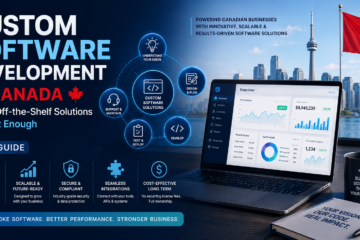
Custom Software Development Canada (2026 Guide)

Canadian businesses in 2026 are growing faster than ever — but many are being held back by rigid, one-size-fits-all software.

Off-the-shelf tools may work at the beginning.
But as companies scale, they often face:

  • Workflow limitations
  • Integration issues
  • Security gaps
  • Scalability challenges
  • High recurring SaaS costs

That’s why more organizations are investing in custom software development in Canada — building tailored digital solutions that align perfectly with their operations, customers, and long-term strategy.

Let’s explore when bespoke software makes sense — and how to do it right.


What Is Custom Software Development?

Custom software development refers to designing, building, and deploying software specifically for a business’s unique needs.

Unlike generic SaaS tools, custom solutions are:

  • Built from scratch
  • Fully scalable
  • Designed around internal workflows
  • Integrated with existing systems
  • Owned by the business

A professional software development company in Canada helps organizations create web apps, mobile apps, enterprise systems, and AI-powered platforms tailored to their goals.


Custom Software vs Off-the-Shelf Software

FactorOff-the-Shelf SoftwareCustom Software
FlexibilityLimitedFully customizable
ScalabilityRestricted by vendorBuilt for growth
IntegrationsLimited APIsCustom integrations
OwnershipSubscription-basedFull ownership
Competitive AdvantageNoneUnique market differentiation

Off-the-shelf tools are great for generic use cases.

But when your processes are unique, enterprise software solutions become essential.


When Should You Choose Custom Software Development?

1️⃣ Your Business Has Unique Workflows

If your operations don’t fit into standard CRM, ERP, or SaaS tools, custom development eliminates inefficiencies.


2️⃣ You’re Scaling Rapidly

Startups and enterprises often outgrow basic tools.
Custom platforms allow:

  • Scalable architecture
  • Cloud-native infrastructure
  • Performance optimization
  • Multi-user management

Internal linking opportunity:
👉 Link to your App Scalability Canada page.


3️⃣ You Need Advanced Integrations

Custom software allows integration with:

  • Payment gateways
  • ERP systems
  • CRM platforms
  • IoT devices
  • AI systems
  • Third-party APIs

Internal linking opportunity:
👉 Link to API Development Canada and App Integration Services Canada.


4️⃣ Security & Compliance Are Critical

Industries like healthcare, fintech, and government require:

  • Data encryption
  • Role-based access
  • Compliance frameworks (PIPEDA, PHIPA)
  • Secure cloud architecture

Custom systems allow stronger control over security policies.

Internal linking opportunity:
👉 Link to Mobile App Security Canada or App Compliance Canada.


Types of Custom Software Solutions in Canada

1️⃣ Custom Web Applications

Businesses are investing in:

  • SaaS platforms
  • Customer portals
  • Enterprise dashboards
  • Admin management systems

Internal linking opportunity:
👉 Link to Web App Development Canada and SaaS Application Development Canada.


2️⃣ Custom Mobile Applications

Mobile apps built specifically for:

  • Field service teams
  • Customer engagement
  • Internal enterprise management
  • On-demand platforms

Internal linking opportunity:
👉 Link to Mobile App Development Canada.


3️⃣ Enterprise Software Solutions

Large-scale systems such as:

  • ERP platforms
  • HR management systems
  • CRM software
  • Supply chain systems
  • Manufacturing platforms

Internal linking opportunity:
👉 Link to Enterprise App Development Canada.


4️⃣ AI-Powered Custom Software

Modern custom systems now integrate:

  • Predictive analytics
  • AI chatbots
  • Automation workflows
  • Intelligent reporting
  • Machine learning models

Internal linking opportunity:
👉 Link to AI App Development Canada and AI Automation Services Canada.


Cost of Custom Software Development in Canada (2026)

Costs depend on:

  • Project complexity
  • Features & integrations
  • UI/UX requirements
  • Cloud infrastructure
  • AI integration
  • Security & compliance

Basic custom solutions may start in the mid five-figure range, while enterprise-grade systems can scale significantly depending on architecture and scope.

Important: Custom software is an investment that reduces long-term SaaS subscription dependency.


Development Process for Custom Software

A professional software development company in Canada typically follows:

Step 1: Discovery & Strategy

  • Business analysis
  • Workflow mapping
  • Technical planning

Step 2: Architecture & UX Design

  • Wireframes
  • Scalable system design
  • Cloud architecture

Internal linking opportunity:
👉 Link to App Architecture Canada.


Step 3: Development

  • Frontend & backend development
  • API integrations
  • Database architecture
  • DevOps setup

Internal linking opportunity:
👉 Link to DevOps for App Development Canada.


Step 4: Testing & QA

  • Functional testing
  • Security testing
  • Performance optimization

Internal linking opportunity:
👉 Link to Mobile App Testing Canada.


Step 5: Deployment & Maintenance

  • Cloud deployment
  • Monitoring
  • Ongoing updates
  • Scalability improvements

Internal linking opportunity:
👉 Link to App Support & Maintenance Canada.


Benefits of Bespoke Software Development

🚀 Competitive Advantage

Unique features competitors don’t have.

📈 Scalability

Built for long-term business growth.

🔐 Stronger Security

Custom access control & encryption layers.

💰 Cost Control

No per-user SaaS subscription fees.

🤝 Full Ownership

You own your software & intellectual property.


Industries Investing in Custom Software in Canada

  • Healthcare
  • Fintech
  • Logistics
  • Manufacturing
  • Education
  • Real Estate
  • Government

Businesses across industries are moving toward tailored digital ecosystems.


How to Choose the Right Software Development Company in Canada

Look for:

  • Proven portfolio
  • Experience in mobile, web & AI
  • Cloud-native expertise
  • Transparent pricing models
  • Strong communication & consulting approach
  • Long-term support services

The right partner focuses on business outcomes — not just code.


Final Thoughts

Custom software development in Canada is becoming a strategic necessity rather than a luxury.

When off-the-shelf tools limit growth, create inefficiencies, or restrict innovation, bespoke software unlocks scalability, automation, and competitive advantage.

Whether you need:

  • Enterprise software solutions
  • Custom web applications
  • Mobile platforms
  • AI-powered systems
  • Cloud-native architecture

A tailored approach ensures your technology evolves with your business.

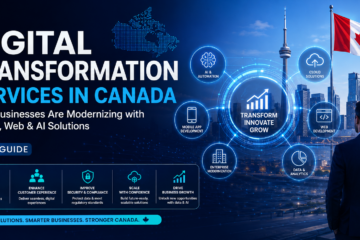
Digital Transformation Services Canada (2026 Guide)

Canadian businesses are facing a major shift in 2026.

Customer expectations are rising.
Competition is becoming digital-first.
AI and automation are reshaping entire industries.

To stay competitive, companies are investing in digital transformation services in Canada — modernizing operations with mobile apps, web platforms, AI systems, and cloud infrastructure.

But what exactly does digital transformation mean?
And how can businesses implement it the right way?

Let’s break it down.


What Are Digital Transformation Services?

Digital transformation services help organizations replace outdated processes, legacy systems, and manual workflows with modern digital solutions.

This includes:

  • Mobile app development
  • Web application platforms
  • AI-powered automation
  • Cloud migration
  • Enterprise system integration
  • Data analytics & business intelligence
  • DevOps & deployment automation

A professional digital transformation company in Canada focuses not just on building software — but on aligning technology with business goals.


Why Canadian Businesses Are Investing in Digital Transformation

1️⃣ Rising Customer Expectations

Customers expect:

  • Real-time access
  • Personalized experiences
  • Mobile-first platforms
  • Seamless digital transactions

Without modern digital systems, businesses lose market share.


2️⃣ Operational Inefficiencies

Manual workflows cost:

  • Time
  • Labor
  • Accuracy
  • Scalability

Through business automation in Canada, companies reduce operational costs while improving productivity.


3️⃣ Legacy System Limitations

Many organizations still rely on outdated software.

Digital transformation enables:

  • App modernization
  • Cloud migration
  • Scalable architecture
  • Improved security

Core Components of Digital Transformation in 2026

1️⃣ Mobile App Development

Modern enterprises are investing in:

  • Customer-facing apps
  • Internal employee apps
  • Field service apps
  • Enterprise mobility solutions

Mobile platforms improve accessibility, engagement, and operational control.

Internal linking opportunity:
👉 Link to your Mobile App Development in Canada pillar page.


2️⃣ Web Application Platforms

Scalable web apps power:

  • SaaS products
  • Customer portals
  • CRM dashboards
  • E-commerce systems
  • Enterprise management platforms

Modern web apps built with cloud-native architecture improve scalability and performance.

Internal linking opportunity:
👉 Link to your Web App Development in Canada page.


3️⃣ AI & Business Automation

AI is now central to enterprise modernization.

Businesses are adopting:

  • AI chatbots
  • Predictive analytics
  • Workflow automation
  • Intelligent document processing
  • Customer behavior analysis
  • Recommendation engines

A strong AI automation company in Canada helps reduce costs while improving decision-making.

Internal linking opportunity:
👉 Link to:

  • AI App Development Canada
  • AI Automation Services Canada
  • Generative AI App Development

4️⃣ Cloud Migration & Scalable Infrastructure

Cloud platforms enable:

  • Remote accessibility
  • Auto-scaling systems
  • Cost optimization
  • Disaster recovery
  • Secure data storage

Cloud-native development ensures applications can handle rapid growth.

Internal linking opportunity:
👉 Link to your Cloud App Development in Canada page.


5️⃣ Enterprise Modernization & System Integration

Digital transformation also includes:

  • ERP modernization
  • CRM integrations
  • API development
  • Microservices architecture
  • DevOps implementation

Modern architecture ensures faster deployment and long-term scalability.

Internal linking opportunity:
👉 Link to:

  • API Development Canada
  • DevOps for App Development Canada
  • App Architecture Canada

Industries Leading Digital Transformation in Canada

Digital transformation is accelerating across:

  • Healthcare (telemedicine, AI diagnostics)
  • Fintech (digital banking, fraud detection)
  • Logistics (real-time tracking, automation)
  • Manufacturing (Industry 4.0 systems)
  • Government (e-governance platforms)
  • Retail & eCommerce (AI personalization)

Businesses that delay transformation risk losing competitive advantage.


Benefits of Digital Transformation Services

🚀 Increased Efficiency

Automation reduces manual processes and operational costs.

📊 Better Data-Driven Decisions

AI and analytics enable real-time insights.

📱 Improved Customer Experience

Mobile-first platforms increase engagement and retention.

🔒 Enhanced Security & Compliance

Modern systems are built with encryption, secure APIs, and compliance frameworks.

📈 Scalability for Growth

Cloud-native architecture supports business expansion.


How to Choose the Right Digital Transformation Company in Canada

Not all technology vendors are strategic partners.

Look for:

  • Experience in mobile, web & AI development
  • Cloud-native architecture expertise
  • DevOps & automation capabilities
  • Strong security & compliance knowledge
  • Proven enterprise case studies
  • Scalable team structure

A reliable digital transformation partner focuses on long-term growth — not just development.


Digital Transformation Roadmap (Step-by-Step)

Here’s a practical approach businesses follow:

Step 1: Digital Audit

Identify inefficiencies, bottlenecks, and outdated systems.

Step 2: Technology Strategy

Define:

  • Mobile vs web solutions
  • AI opportunities
  • Cloud migration plans
  • Automation priorities

Step 3: MVP & Pilot Implementation

Launch controlled pilots before full rollout.

Step 4: Full-Scale Deployment

Implement cloud, DevOps, automation & integrations.

Step 5: Continuous Optimization

Monitor performance, improve workflows, and scale gradually.


Cost of Digital Transformation in Canada (2026)

Costs vary based on:

  • Project complexity
  • Custom software requirements
  • AI integration level
  • Cloud infrastructure
  • Security compliance
  • Enterprise scale

Small to mid-size modernization projects may start from mid five-figures, while enterprise-wide transformations can scale significantly depending on architecture and integrations.

Digital transformation should be viewed as an investment — not an expense.


The Future of Enterprise Modernization in Canada

In 2026 and beyond, we’ll see:

  • AI-first business models
  • Automation-driven operations
  • Cloud-native infrastructure by default
  • API-based ecosystems
  • Predictive customer engagement systems

Businesses that adopt digital transformation early will dominate their industries.


Final Thoughts

Digital transformation services in Canada are no longer optional — they are essential for growth, scalability, and competitiveness.

Whether through:

  • Mobile app platforms
  • Web-based SaaS systems
  • AI automation
  • Cloud-native architecture
  • Enterprise modernization

Technology is redefining how Canadian businesses operate.

The right digital transformation strategy can turn traditional organizations into scalable, data-driven, future-ready enterprises.

How to Hire Mobile, Web & AI Developers in Canada (2026 Guide)

Canada has become one of the strongest technology hubs in North America. From Vancouver to Toronto and Montreal, businesses are rapidly investing in mobile apps, web platforms, and AI-driven solutions.

If you’re planning to hire developers in Canada in 2026, this guide will help you understand:

  • Current hiring costs
  • Must-have technical skills
  • Different hiring models
  • How to choose the right development partner

Why Businesses Prefer Hiring Developers in Canada

Canada offers:

  • Highly skilled engineering talent
  • Strong AI ecosystem
  • English-speaking workforce
  • Time-zone alignment with US markets
  • Government support for tech innovation

Major tech cities like Vancouver, Toronto, and Montreal have become global development centers.


1️⃣ Cost to Hire Developers in Canada (2026)

Costs vary depending on expertise and hiring model.

💰 Average Annual Salaries (In-house)

  • Mobile Developer: CAD $85,000 – $120,000
  • Web Developer: CAD $80,000 – $115,000
  • AI / Machine Learning Engineer: CAD $100,000 – $150,000

💼 Hourly Agency Rates

  • Mid-level Developers: $60 – $100/hour
  • Senior Developers: $100 – $180/hour
  • AI Specialists: $120 – $200/hour

Hiring through an agency may appear expensive upfront but eliminates recruitment, training, and infrastructure costs.


2️⃣ Skills to Look for in 2026

📱 Mobile Developers

  • Swift (iOS)
  • Kotlin (Android)
  • Flutter / React Native
  • API integrations
  • App Store optimization knowledge

🌐 Web Developers

  • React / Next.js
  • Node.js
  • Laravel
  • Cloud hosting (AWS, Azure)
  • Database architecture

🤖 AI Developers

  • Python
  • Machine Learning frameworks (TensorFlow, PyTorch)
  • NLP & LLM integrations
  • AI automation workflows
  • Data engineering

If your project involves automation, predictive analytics, or chatbot systems, hiring AI-skilled developers is critical.


3️⃣ Best Hiring Models in Canada

Model 1: In-House Hiring

✔ Full control
✔ Long-term team building
✖ Higher cost
✖ Recruitment time (2–4 months)

Best for large enterprises with ongoing product development.


Model 2: Freelancers

✔ Lower short-term cost
✔ Flexible
✖ Limited scalability
✖ Risk of inconsistent quality

Best for small feature updates or short projects.


Model 3: Development Agency / Technology Partner

✔ Access to full team (designers + developers + QA)
✔ Faster delivery
✔ Structured project management
✔ Scalable teams

Best for startups, SMBs, and companies building full-scale apps.


4️⃣ How to Choose the Right Development Partner

Before hiring, evaluate:

🔍 Portfolio & Case Studies

Check similar industry projects.

🧠 Technical Expertise

Ensure modern tech stack knowledge.

📊 Communication & Project Management

Clear reporting systems, sprint planning, and milestone tracking.

🛠 Post-Launch Support

Maintenance and optimization services are crucial.


5️⃣ Common Mistakes to Avoid

❌ Hiring based only on lowest cost
❌ Not defining project scope clearly
❌ Ignoring scalability
❌ Skipping security & compliance checks

Smart hiring focuses on long-term ROI, not short-term savings.


6️⃣ Should You Hire Mobile, Web & AI Developers Together?

In 2026, most successful digital products combine:

  • Mobile app interface
  • Web dashboard/admin panel
  • AI automation or analytics engine

Hiring a partner that can handle all three ensures smoother integration and faster scaling.


Final Thoughts

Canada remains one of the most attractive destinations to hire developers in 2026. Whether you need mobile apps, web platforms, or AI automation solutions, choosing the right hiring model will directly impact your product’s success.

If you’re building a scalable tech solution, working with an experienced Canadian development partner can reduce risks, improve time-to-market, and ensure long-term growth.

AI Automation Companies in Canada (2026 Guide to Scaling with AI)

AI is no longer a “future technology” in Canada—it’s already transforming how businesses operate. From startups to large enterprises, companies are actively working with an AI automation company Canada to streamline workflows, reduce manual effort, and improve operational efficiency.

In 2026, AI automation is not just about innovation. It’s about survival, speed, and scalability in a highly competitive digital economy.


What is an AI Automation Company?

An AI automation company builds systems that use artificial intelligence to automate repetitive business processes. These companies combine:

  • Machine learning models
  • Workflow automation tools
  • Data analytics systems
  • AI-powered decision engines

The goal is simple: replace manual processes with intelligent automation.

A modern AI development company in Canada typically focuses on business efficiency across departments like sales, marketing, customer support, and operations.


Why AI Automation is Growing Rapidly in Canada

Several factors are driving AI adoption across Canadian businesses:

1. High Operational Costs

Businesses are under pressure to reduce labor-intensive workflows.

2. Digital Transformation Push

Companies are moving from legacy systems to AI-powered platforms.

3. Demand for Faster Decision-Making

AI helps analyze data in real time and automate decisions.

4. Competitive Market Pressure

Companies that don’t automate risk falling behind faster competitors.


How AI Automation Helps Businesses Reduce Costs

One of the biggest benefits of working with an AI automation company Canada is cost reduction.

1. Eliminating Manual Work

Tasks like:

  • Data entry
  • Report generation
  • Customer query handling

can be fully automated.

2. Reducing Workforce Dependency

AI systems handle repetitive work, allowing teams to focus on higher-value tasks.

3. Lower Error Rates

Automation reduces human errors that lead to financial losses.

4. Faster Task Completion

AI completes tasks in seconds that normally take hours.


Key AI Automation Use Cases in Canadian Businesses

1. Customer Support Automation

  • AI chatbots
  • Virtual assistants
  • Ticket classification systems

2. Sales & Marketing Automation

  • Lead scoring
  • Email automation
  • Personalized recommendations

3. Workflow Automation

  • Approval systems
  • HR onboarding flows
  • Document processing

4. Finance Automation

  • Invoice processing
  • Expense tracking
  • Fraud detection

5. Operations & Supply Chain

  • Demand forecasting
  • Inventory optimization
  • Logistics planning

AI Workflow Automation: The Core of Modern Businesses

AI workflow automation connects different business systems together so tasks flow automatically.

For example:

  • A customer fills a form → AI qualifies the lead → CRM updates → sales team notified

This is where an experienced AI automation company Canada delivers maximum value.

Benefits include:

  • Faster operations
  • Better team productivity
  • Real-time business insights
  • Reduced dependency on manual coordination

AI Development Company vs AI Automation Company

Many people confuse these two terms:

AI Development Company

Focuses on:

  • Building AI models
  • Machine learning systems
  • Custom AI solutions

AI Automation Company

Focuses on:

  • Applying AI to business workflows
  • Automating existing processes
  • Improving efficiency and operations

👉 In real-world projects, both often work together.


How Businesses Scale Faster with AI Automation

AI doesn’t just reduce cost—it increases growth potential.

1. Faster Decision-Making

AI provides real-time analytics and predictions.

2. Scalable Operations

You can handle more customers without increasing team size.

3. 24/7 Availability

AI systems work without downtime.

4. Better Customer Experience

Faster responses and personalized interactions improve retention.


Industries in Canada Adopting AI Automation Quickly

  • SaaS companies
  • E-commerce businesses
  • Healthcare providers
  • Financial institutions (FinTech)
  • Logistics & transportation companies
  • Real estate platforms

Each of these industries is actively investing in AI automation to stay competitive.


How to Choose the Right AI Automation Company in Canada

Before selecting a partner, evaluate:

1. Industry Experience

Do they understand your business domain?

2. AI Capabilities

Look for expertise in:

  • Machine learning
  • NLP (Natural Language Processing)
  • Predictive analytics

3. Integration Skills

Can they connect AI with your existing systems (CRM, ERP, etc.)?

4. Scalability

Will the solution grow with your business?

5. Post-Deployment Support

AI systems need continuous monitoring and optimization.


Future of AI Automation in Canada (2026 & Beyond)

The next phase of AI automation will focus on:

  • Fully autonomous business workflows
  • AI decision-making systems
  • No-code AI automation platforms
  • Hyper-personalized customer experiences
  • AI-driven business intelligence dashboards

Companies that adopt early will have a significant competitive advantage.


Final Thoughts

AI automation is no longer optional for Canadian businesses—it is becoming a core business strategy.

Partnering with the right AI automation company Canada helps businesses:

  • Reduce operational costs
  • Improve efficiency
  • Scale faster without increasing overhead
  • Stay ahead of competitors

The future belongs to businesses that combine human creativity with AI-powered automation.

Top App Development Companies in Vancouver (2026 Guide)

Vancouver has quickly become one of Canada’s strongest technology hubs, especially for mobile and web application development. From fast-growing startups to established enterprises, businesses are actively searching for a reliable app development company Vancouver to build scalable digital products.

But with so many agencies offering similar services, the real challenge is not finding developers — it’s choosing the right partner who understands your business goals, budget, and long-term growth.

This guide breaks down everything you need to know before hiring an app development partner in Vancouver in 2026.


Why Vancouver is a Strong Hub for App Development

Vancouver has become a preferred destination for tech innovation for several reasons:

  • Strong talent pool of developers and engineers
  • Growing startup ecosystem supported by investors
  • Proximity to US tech markets (Seattle, San Francisco)
  • High demand for mobile-first and AI-powered solutions

Because of this, many companies now prefer hiring a mobile app agency Vancouver instead of outsourcing overseas, due to better communication, quality control, and time-zone alignment.


What an App Development Company in Vancouver Typically Offers

A professional app development company Vancouver usually provides end-to-end digital product services, including:

1. Mobile App Development

  • iOS and Android apps
  • Cross-platform apps (Flutter / React Native)
  • MVP development for startups

2. Web App Development

  • Custom web applications
  • SaaS platforms
  • Admin dashboards and portals

3. UI/UX Design

  • User experience research
  • Wireframing and prototyping
  • Modern interface design

4. Backend & API Development

  • Scalable cloud architecture
  • Secure APIs
  • Database management

5. AI & Automation Integration

  • Chatbots and AI assistants
  • Workflow automation
  • Predictive analytics features

Top Qualities to Look for in a Vancouver App Development Company

Before hiring a development partner, evaluate them using these key criteria:

1. Technical Expertise

Check if they work with modern frameworks like:

  • Flutter
  • React Native
  • Node.js
  • AWS / Cloud infrastructure

2. Portfolio & Case Studies

A strong company will showcase:

  • Real apps built for clients
  • Industry-specific solutions
  • Measurable results (downloads, revenue, engagement)

3. Understanding of Business Goals

Good developers don’t just code — they understand:

  • Monetization strategies
  • User acquisition
  • Product-market fit

4. Communication & Process

Look for:

  • Agile development methodology
  • Weekly updates
  • Clear timelines and milestones

5. Post-Launch Support

Apps require ongoing:

  • Bug fixes
  • Performance optimization
  • Feature updates

Average Cost of Hiring App Developers in Vancouver (2026)

Pricing varies depending on complexity and scope:

  • Basic app (MVP): CAD $15,000 – $40,000
  • Mid-level app: CAD $40,000 – $100,000
  • Enterprise-grade app: CAD $100,000+

Hourly rates typically range from:

  • Freelancers: $40 – $80/hour
  • Agencies: $90 – $180/hour

A reliable web app development company Vancouver will always provide transparent pricing with clear breakdowns.


Common Mistakes to Avoid When Hiring Developers

Many businesses make costly mistakes when choosing a development partner:

  • Choosing based only on price
  • Ignoring post-launch support
  • Not validating past work
  • Poor requirement documentation
  • Skipping MVP validation phase

Avoiding these mistakes can significantly reduce development risk and improve ROI.


Mobile vs Web App Development: What Should You Choose?

Mobile Apps are best for:

  • Consumer-facing products
  • E-commerce and marketplace apps
  • High engagement platforms

Web Apps are best for:

  • SaaS products
  • Internal business tools
  • Browser-based platforms

Most successful businesses in Vancouver now build both mobile and web apps for maximum reach and scalability.


Why Businesses Prefer Local Vancouver App Development Companies

Working with a local agency offers several advantages:

  • Better collaboration and communication
  • Easier project management
  • Understanding of Canadian market compliance
  • Faster iteration cycles
  • In-person meetings when needed

This is why many startups prefer a mobile app agency Vancouver instead of offshore teams.


Final Thoughts

Choosing the right app development company Vancouver is not just a technical decision — it’s a strategic business move.

The right partner will help you:

  • Build scalable digital products
  • Reduce development risks
  • Improve user experience
  • Accelerate time to market

Whether you’re a startup building your MVP or an enterprise scaling your digital ecosystem, investing in the right development team in Vancouver can define your long-term success.